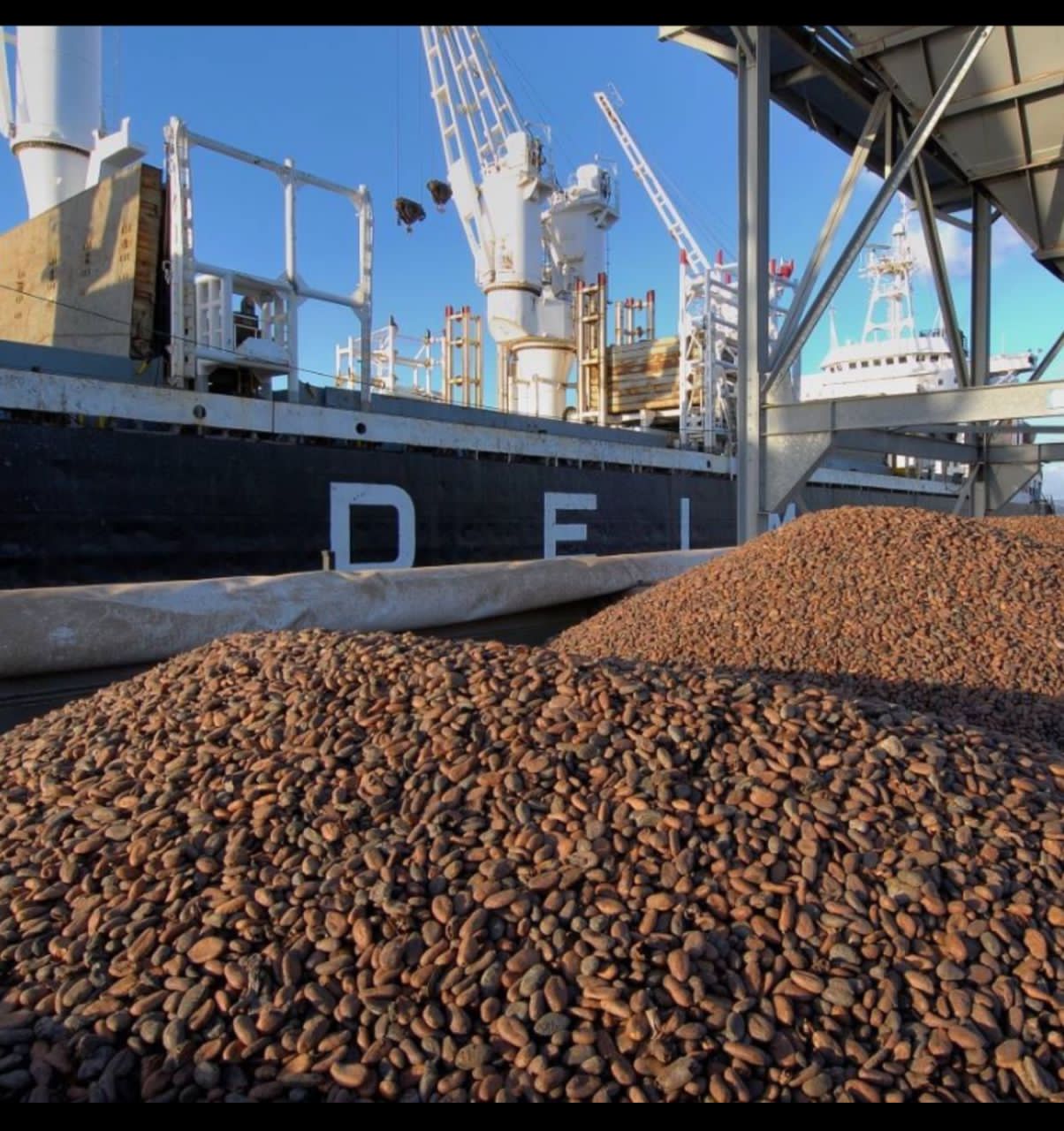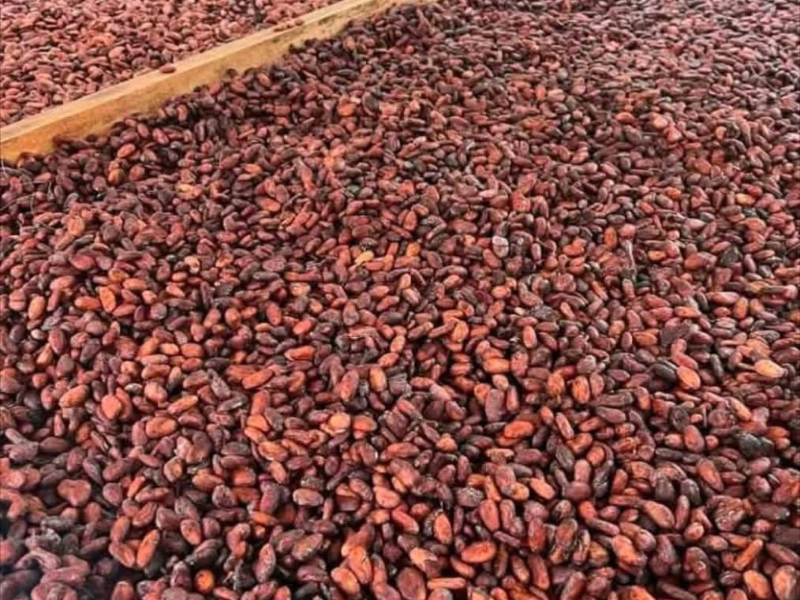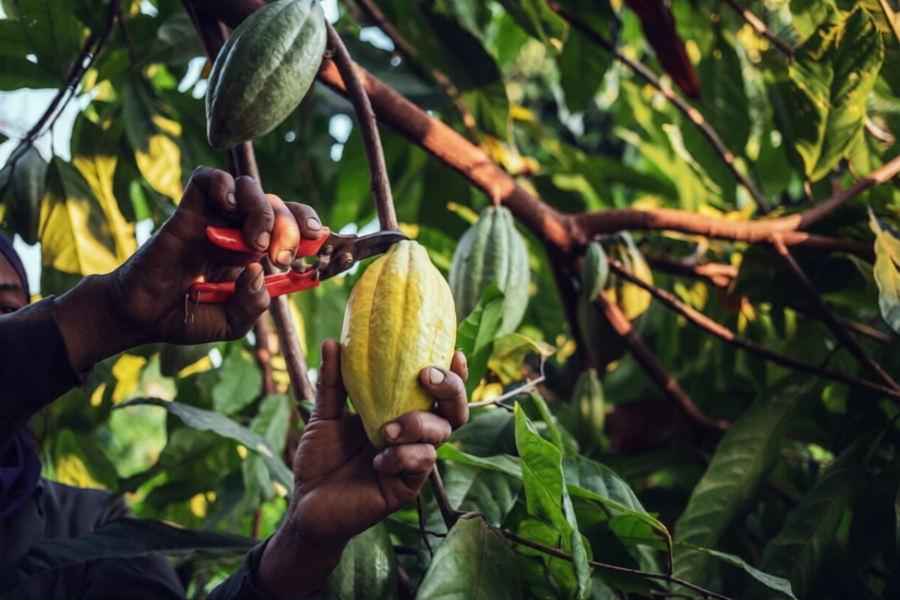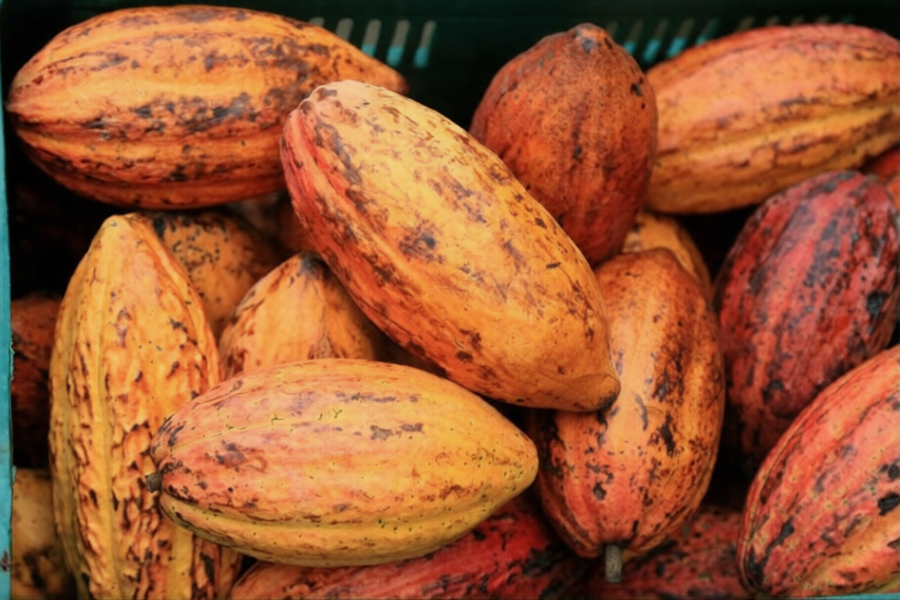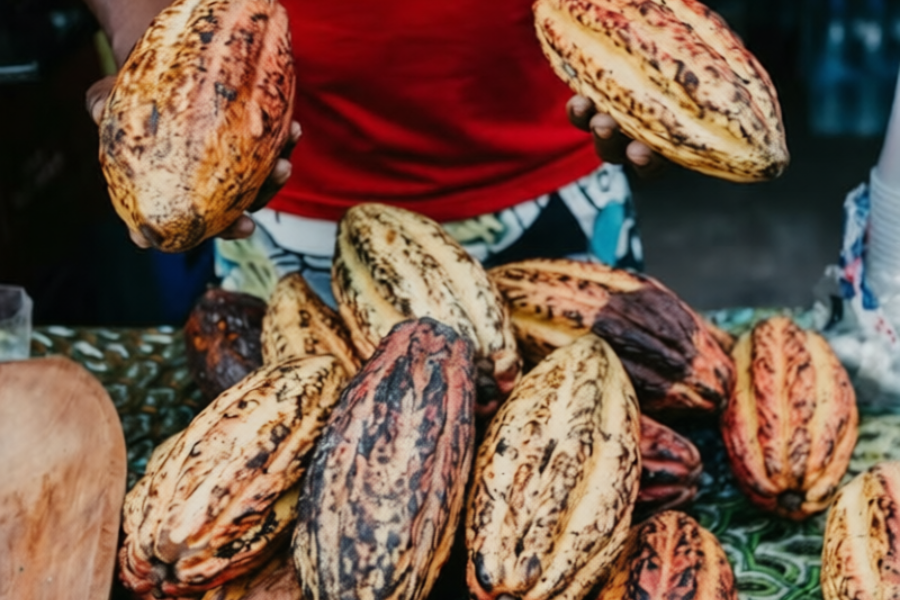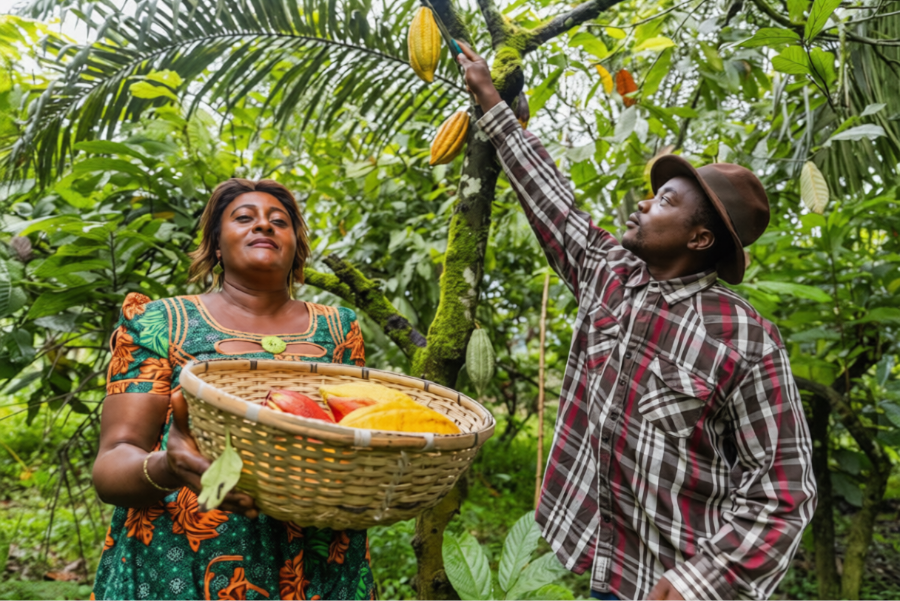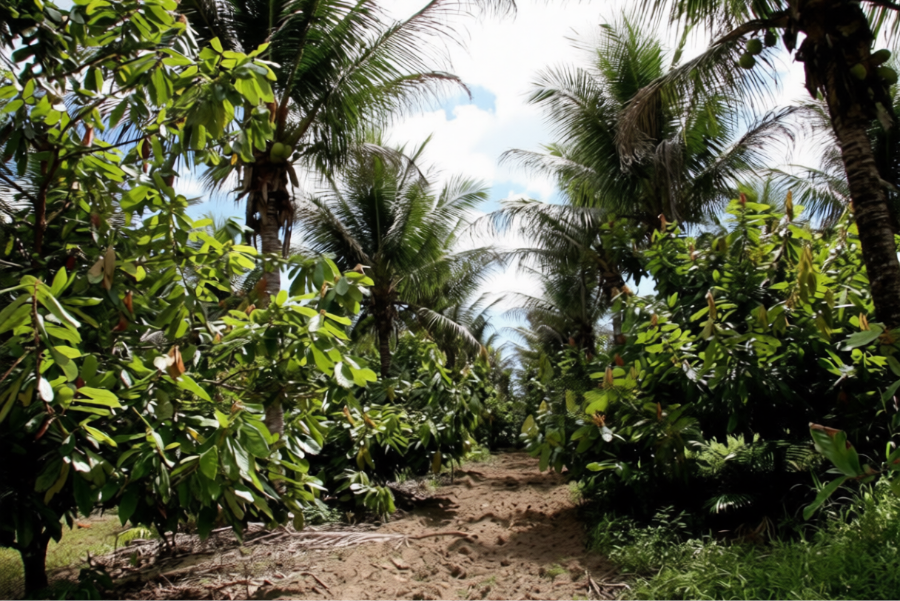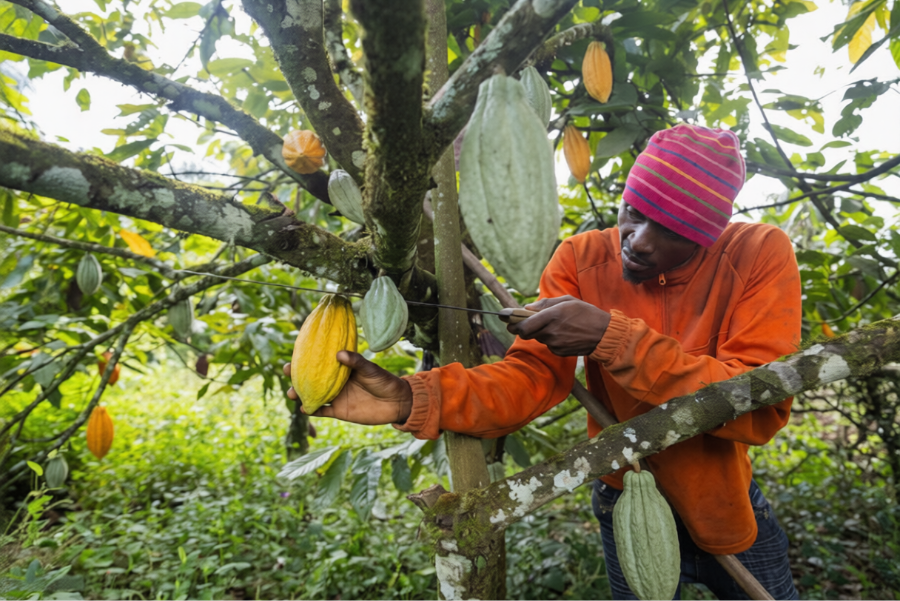
Knowing how to export cocoa from Cameroon is essential for buyers who want stable supply, transparent paperwork, and fewer shipment surprises. Cameroon remains one of Central Africa's most important cocoa origins, but successful export execution depends on much more than buying beans at a competitive price. A reliable program starts with origin selection, exporter screening, lot preparation, and documentary discipline long before a container reaches the port of Douala.
For international buyers, the best export process is not the fastest process on paper. It is the process that protects bean quality, verifies traceability, and aligns the shipment file with the buyer's destination-market requirements. This guide breaks the process into clear operating stages so procurement teams can understand where risk appears, where quality is secured, and how a Cameroon cocoa export contract moves from farm network to final loading.
Key Buyer Takeaways
- Export-ready cocoa starts with vetted farmer sourcing and lot segregation, not just a purchase contract.
- Quality control, moisture checks, and bean cut tests should be completed before documentation is finalized.
- Commercial documents, quality certificates, and shipping instructions need to match exactly to avoid delays.
- Strong exporters combine sourcing, compliance, and logistics coordination in one controlled workflow.
1. Start with sourcing strategy and exporter validation
The first step in any cocoa export program is deciding how the beans will be sourced and who will control that sourcing. Buyers can purchase through an exporter, through a cooperative network managed by an exporter, or through a mixed-origin aggregation model. Each route affects traceability, consistency, and lead time. For most overseas buyers, working with an exporter that already operates a structured farmer network is the most efficient option because it reduces fragmentation and gives the buyer one accountable counterpart.
Before moving into pricing, buyers should validate the exporter's legal identity, operating history, warehouse access, and quality-control process. A serious exporter should be able to explain where the cocoa is sourced, how lots are graded, how non-conforming beans are removed, and what controls are in place before shipment. This is also the stage to review the exporter's service scope on the services page and confirm whether the supplier handles sourcing only or the full export chain.
2. Define the commercial specification before buying
A cocoa export deal becomes expensive when the commercial specification is vague. Buyers should agree on bean grade, moisture range, allowable defects, bean count expectations, bagging format, container size, Incoterm, payment structure, and target shipment window before a pro forma invoice is issued. These points are not administrative detail. They are the core controls that prevent disagreement between the sample stage and the loaded container.
Exporters should also align the specification with the buyer's processing use case. Industrial grinders, couverture producers, and specialty chocolate makers do not all evaluate cocoa the same way. The more precise the intended use, the easier it is to select the right lot profile. When traceability is part of the buying program, the lot structure should be matched with the traceability workflow before loading instructions are released.
3. Prepare and approve export-grade lots
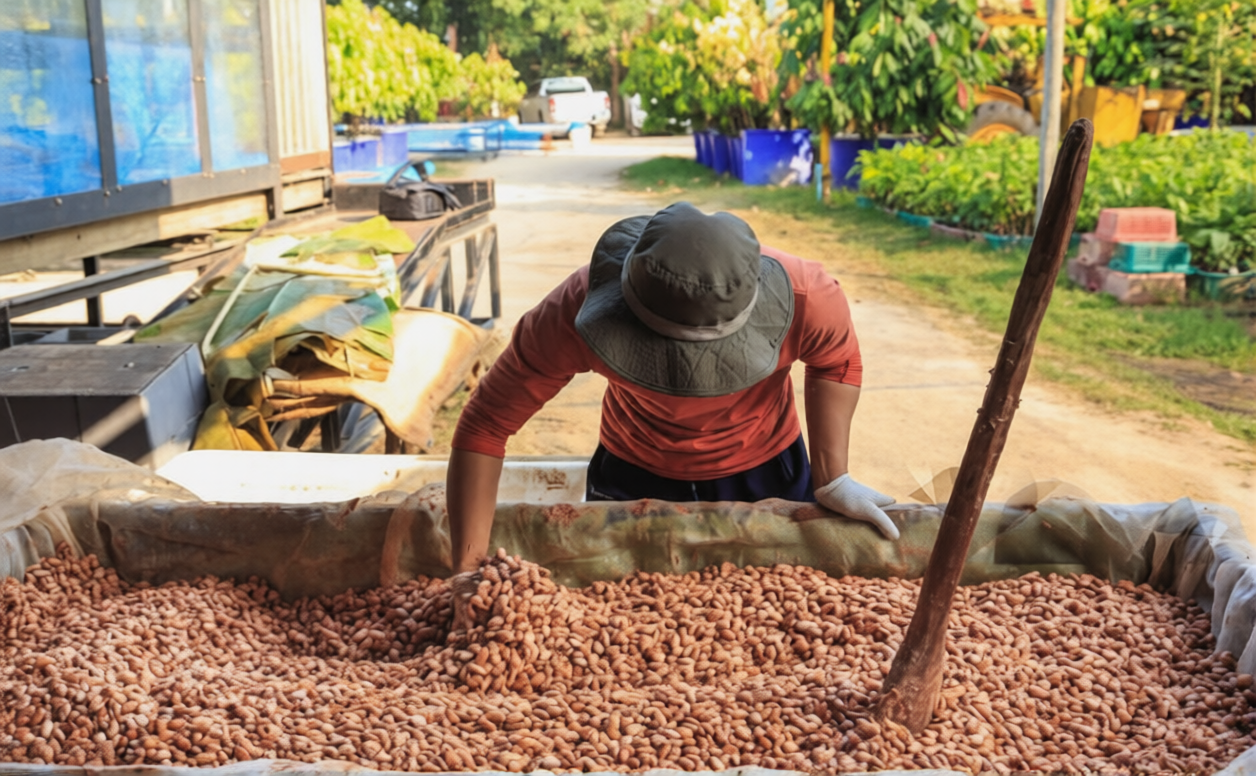
Once the commercial terms are set, the exporter prepares physical lots for quality approval. This usually includes drying verification, sorting, bagging, warehouse review, and pre-shipment sampling. The lot should be stable enough to hold its quality through stuffing, inland handling, port dwell time, and ocean transit. If the beans are still changing condition in storage, the shipment is not ready.
At this stage, disciplined exporters run a moisture check, perform bean cut tests, screen for slaty or moldy beans, inspect foreign matter, and confirm bag integrity. Buyers who want fewer claims later should ask for a pre-shipment quality summary, sample photos, and any available lot identification record. Quality approval is the operational bridge between the farm-level supply chain and the commercial shipment file.
Why pre-shipment inspection matters
Many cocoa shipment disputes are not caused by fraud. They are caused by weak pre-shipment controls. A formal inspection stage gives both parties one last chance to confirm the beans, the packaging, and the loading readiness before freight costs and customs timelines begin to compound the risk.
4. Build the documentation file correctly
A Cameroon cocoa export is only as strong as its documentation file. At minimum, buyers usually expect a commercial invoice, packing list, shipping instruction alignment, and transport documents that match the contract details exactly. Depending on the destination market and transaction model, the shipment may also need a certificate of origin, quality certificate, phytosanitary document, insurance evidence, inspection record, or buyer-specific compliance paperwork.
Document preparation should start before the cargo reaches the port, not after container stuffing. Names, weights, marks, commodity descriptions, and seal references must be synchronized across the file. Even a simple mismatch between invoice language and bill of lading instructions can delay payment or customs release. Buyers needing a tailored document pack can use the contact page early in the process so the exporter can align the file to the destination market.
5. Coordinate logistics, loading, and post-shipment follow-up
After the lots and documents are ready, the shipment moves into container allocation, stuffing, sealing, trucking, terminal delivery, and ocean booking confirmation. This phase looks simple from the outside, but it is where timing risk becomes visible. Container availability, port schedules, customs procedures, and local transport constraints can all change the delivery window if the exporter is not actively managing the movement.
Strong exporters continue communication after vessel departure. Buyers should receive the final document set, a clear summary of loaded quantities, and prompt notice of any carrier schedule changes. Post-shipment discipline matters because many financing and customs processes depend on the final file being complete and accurate. The export process is not finished when the container leaves the warehouse. It is finished when the buyer has the documents, can clear the cargo, and receives cocoa that matches the approved specification.
Need a Cameroon cocoa export plan built around your specification?
COCOABRIDGE supports sourcing, quality control, documentation, and export execution for buyers who need traceable lots and dependable shipment follow-through.
Frequently Asked Questions
What is the first document a buyer should request from a Cameroon cocoa exporter?
A buyer should usually start with a formal specification sheet and pro forma invoice draft. Those two items show whether the exporter can describe the product, shipment structure, and commercial terms clearly before more detailed paperwork is requested.
Can cocoa be exported without traceability information?
Some shipments can move with limited lot history, but buyers targeting stricter compliance or brand-risk controls increasingly require documented origin and handling records. Traceability improves confidence and reduces downstream disputes.
How can a buyer reduce export risk on a first order?
Use a detailed specification, request pre-shipment samples, verify the documentation set in advance, and work with an exporter that can show its sourcing, quality, and loading controls clearly.