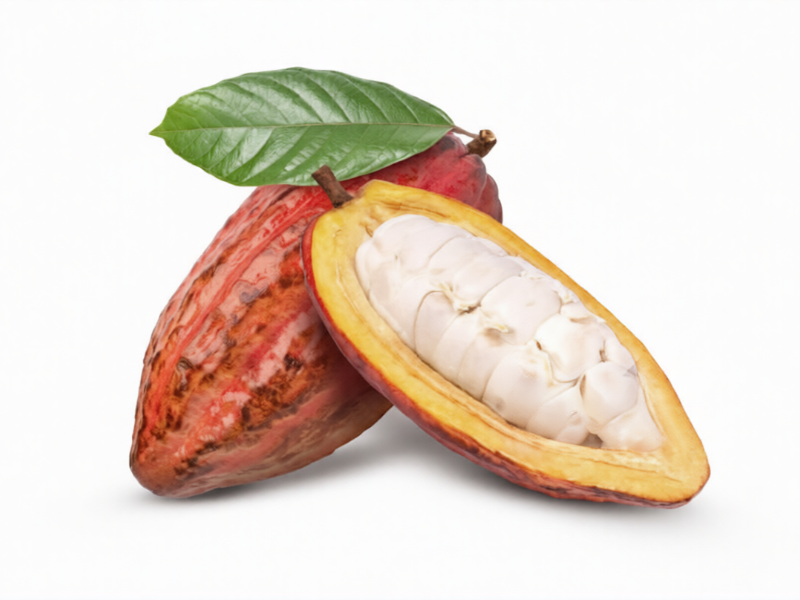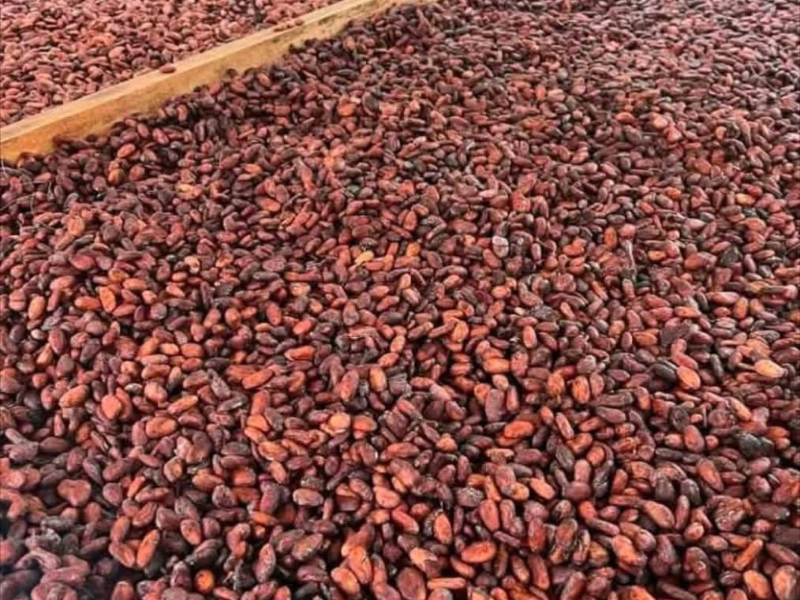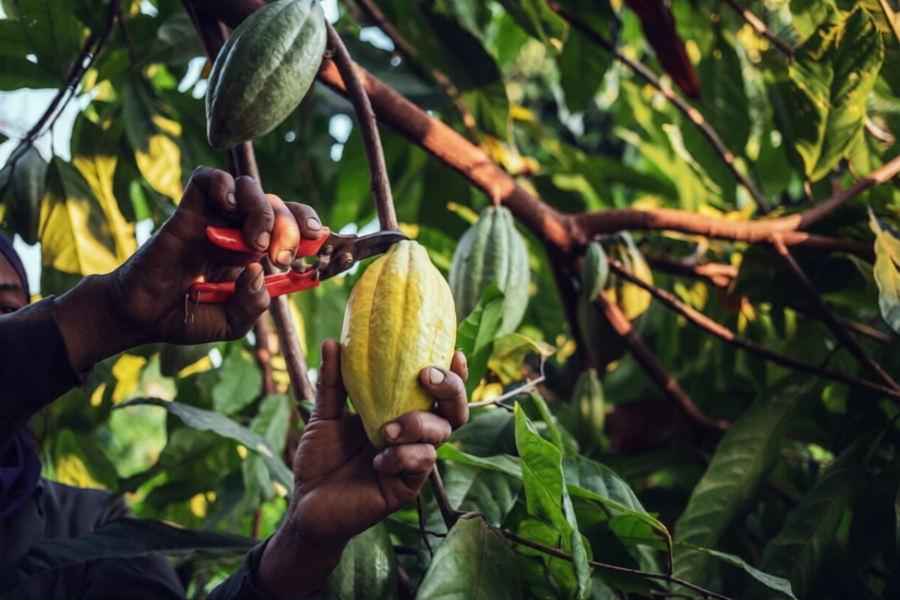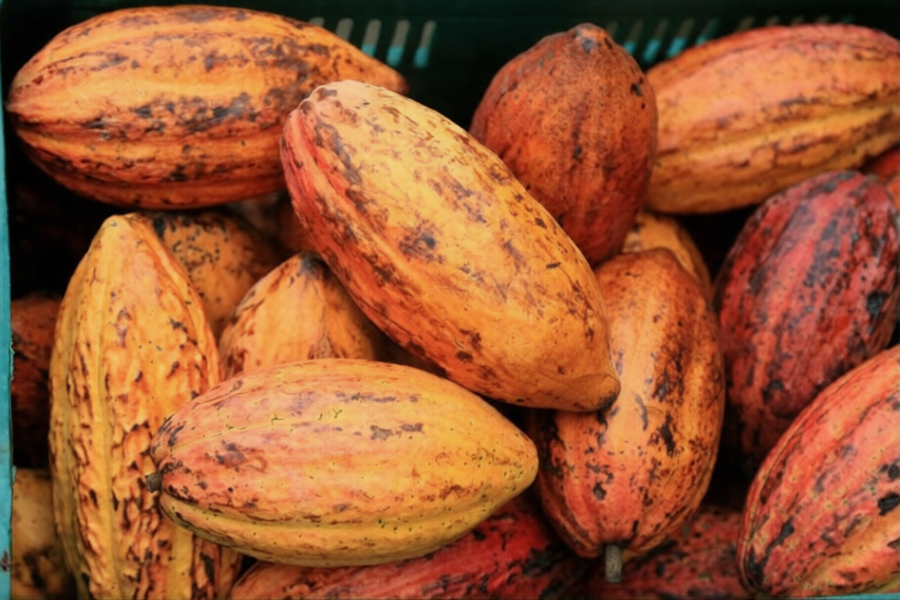
A cocoa supply chain explained in simple terms is the story of how beans move from producing communities to the buyer's warehouse, plant, or port of entry. But for commercial buyers, the supply chain is more than movement. It is a sequence of control points where quality can be preserved, lost, improved, or misunderstood. The more clearly a buyer sees those control points, the better that buyer can manage quality risk and supplier performance.
In Cameroon and other producing origins, cocoa supply chains involve farmers, local collectors, aggregators, warehouses, exporters, transport operators, and document workflows. Each link adds value when it improves consistency and visibility. Each link adds risk when it creates opacity, mixing, or delay. This is why buyers who understand the chain make stronger sourcing decisions than buyers who focus only on a final price offer.
Key Buyer Takeaways
- The cocoa supply chain should be managed as a series of control points, not as a simple transport path.
- Post-harvest handling and lot preparation shape export quality as much as farm origin.
- Traceability depends on recordkeeping and segregation throughout the chain.
- Buyers gain leverage when they understand where quality and delay risks are created.
1. Production starts at farm level, but commercial quality develops after harvest
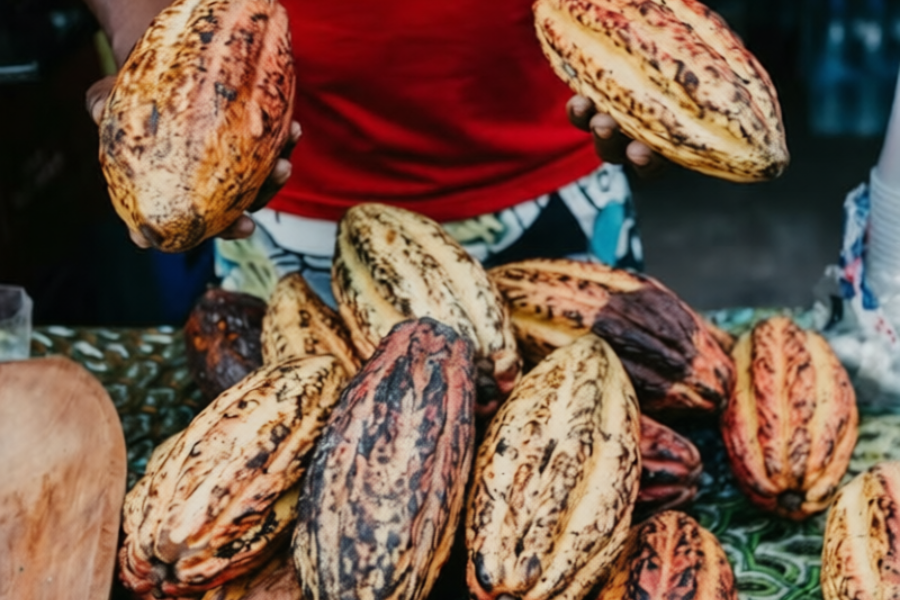
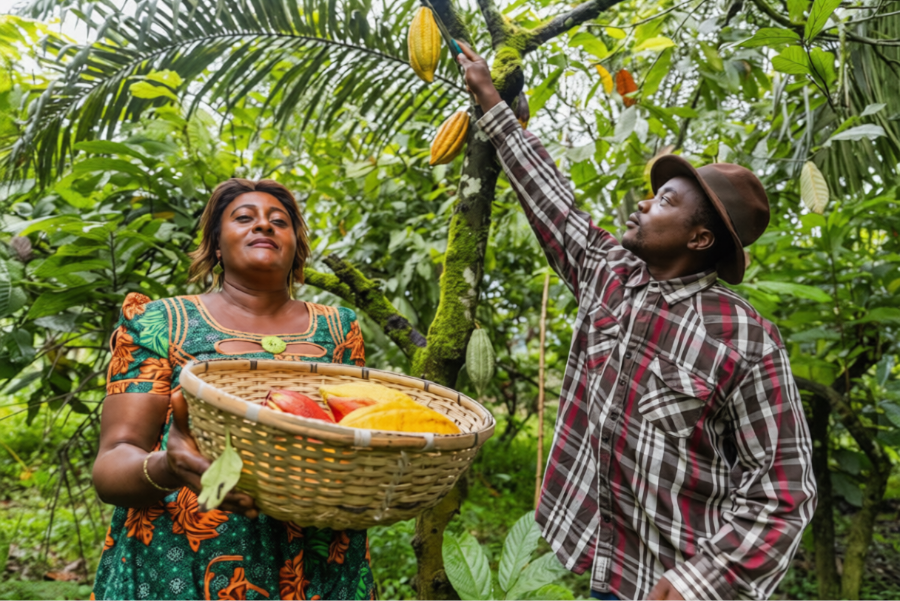
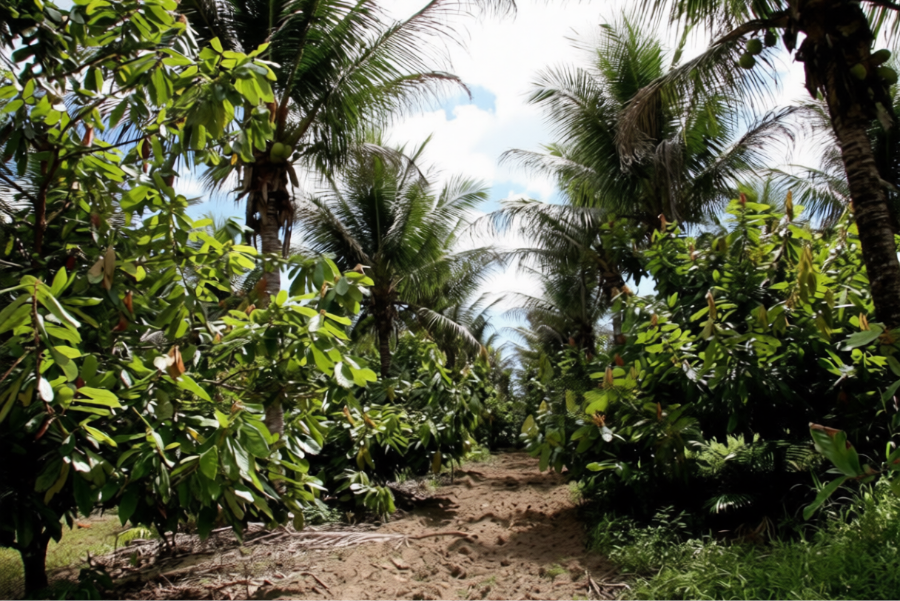
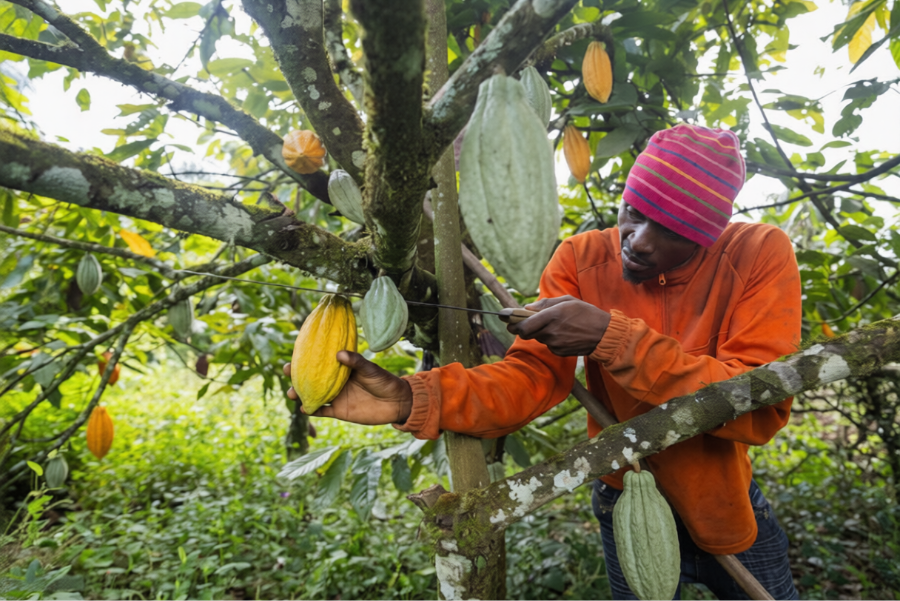
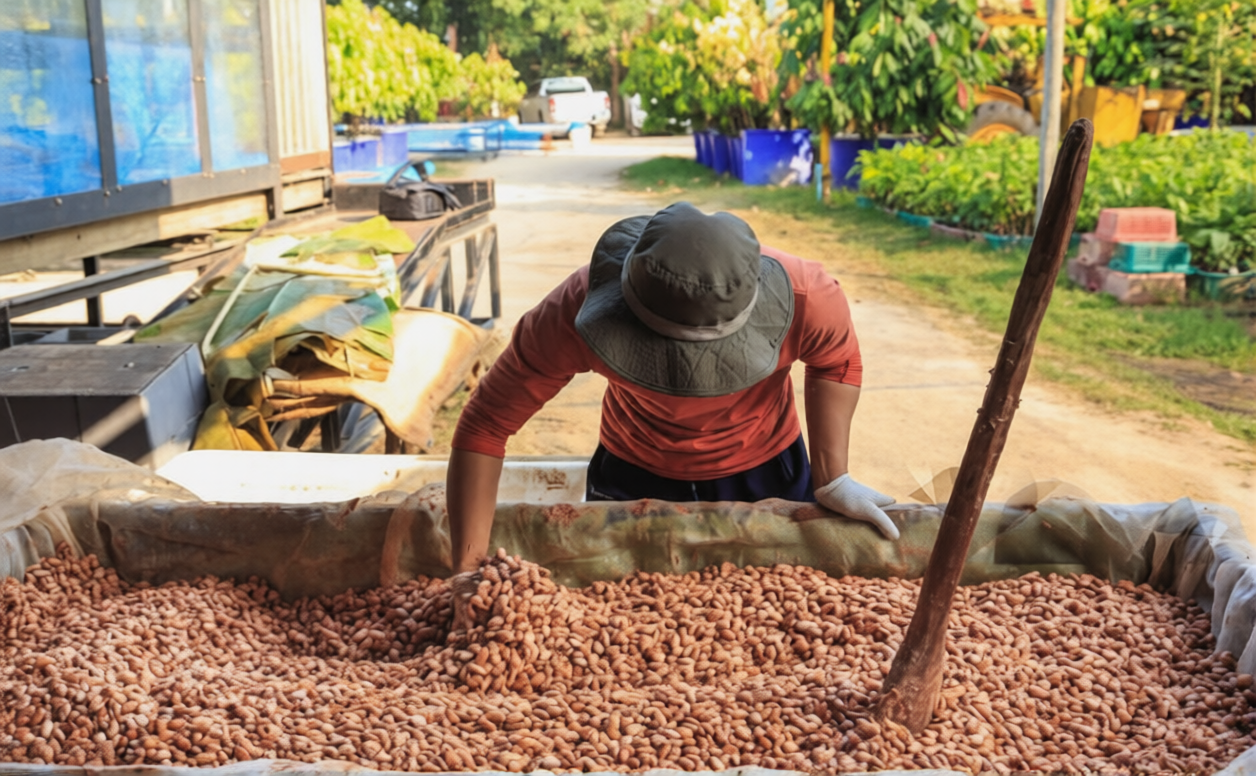
The supply chain begins with farmers harvesting pods and preparing wet beans for fermentation and drying. This stage determines the raw quality potential of the cocoa, but it is not the end of the quality story. If fermentation is inconsistent or drying is poorly managed, that problem follows the beans forward into the export chain. Good supply chains therefore support better post-harvest practice, not only purchase volume.
For buyers, it is important to understand that origin quality is cumulative. The farm creates the starting point, yet the next stages decide whether that potential is preserved. This is why supply chains built on continuous producer engagement generally perform better than purely opportunistic buying networks.
2. Collection and aggregation determine lot identity
After production, beans move through collection points and aggregation stages where the exporter or its network starts shaping commercial lots. This is where traceability can either remain visible or disappear. If lots are mixed without recordkeeping, the buyer loses visibility over origin and handling. If lots are segregated and documented, the buyer retains more confidence in consistency and compliance.
Aggregation is not inherently negative. It is commercially necessary in many export programs. The important issue is whether the aggregation is controlled. Exporters should be able to explain how they separate lots, how they identify approved stock, and how they link sourcing records to warehouse inventory. That is the operational core of a traceable cocoa chain.
3. Warehouse handling turns supply into export-ready inventory
Warehouse operations are where the supply chain becomes an export program. Approved cocoa is sorted, bagged, reviewed, and prepared for shipment. Moisture checks, bean cut tests, bag-condition review, and lot segregation usually occur here. A strong warehouse process reduces the chance that a weak or mixed lot moves into the final shipment unnoticed.
This stage is also where buyers can evaluate whether the exporter truly controls the physical operation. Warehousing is not just storage. It is quality preservation, inventory visibility, and shipment preparation combined. The more transparent the warehouse discipline, the more reliable the export outcome is likely to be.
4. Documentation and logistics link the physical chain to the commercial chain
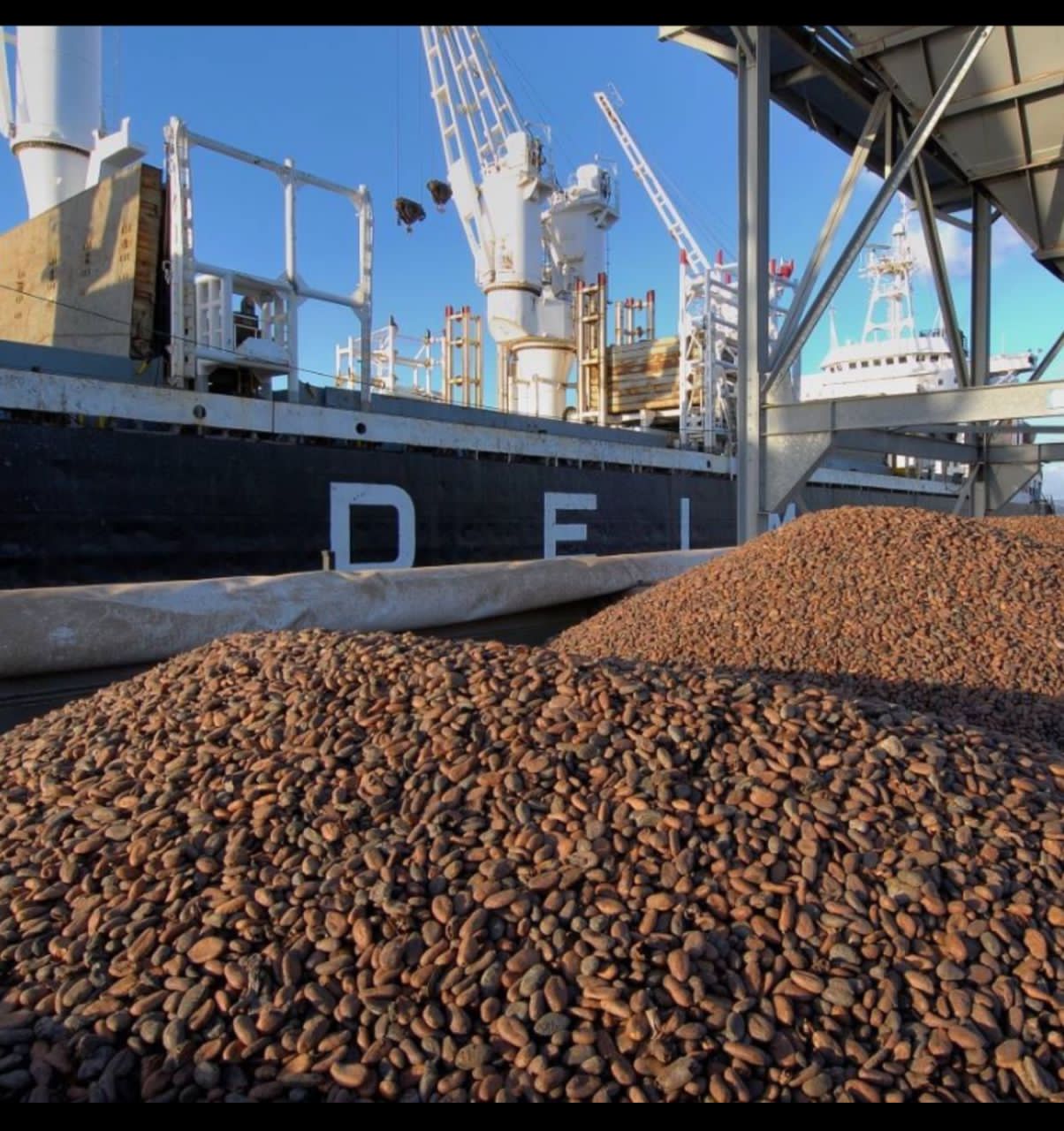
The physical supply chain is only half of the export picture. The other half is the commercial and documentary chain that carries the cargo through banking, customs, and shipping. Once the lot is approved, the exporter must align invoices, packing lists, shipment instructions, and transport documents so the physical product and the paperwork tell the same story.
This is one reason the services page and the traceability page matter together. One shows how the export operation is managed; the other shows how the lot remains visible through that operation. Buyers need both if they want a dependable farm-to-buyer supply chain.
5. The buyer's role does not start at arrival; it starts at specification
The buyer is not a passive recipient at the end of the chain. The buyer shapes the chain by defining the specification, the traceability expectation, the document set, and the timing requirement. Clear buyer instructions help the exporter prepare the right lot, reduce waste, and manage shipment readiness more accurately.
That is why the farm-to-buyer chain should really be viewed as a buyer-linked chain. If you want the chain to perform better, give the exporter a clearer commercial target and use the contact page to align requirements early. A well-defined shipment program makes every link in the chain easier to manage.
Need a cocoa supply chain that stays visible from source to shipment?
COCOABRIDGE supports buyer programs that combine sourcing visibility, lot preparation, and export execution in one coordinated process.
Frequently Asked Questions
Where does most cocoa quality risk appear in the supply chain?
Risk often appears during post-harvest handling, aggregation, and warehouse preparation, especially when lots are mixed or moisture control is weak.
Can a buyer improve traceability without owning farms?
Yes. Buyers improve traceability by selecting exporters that keep strong sourcing and lot records throughout aggregation and warehousing.
Why is warehouse control so important in cocoa export?
Because warehousing is where lots are stabilized, inspected, segregated, and prepared for loading. It is the final quality-control stage before shipment.