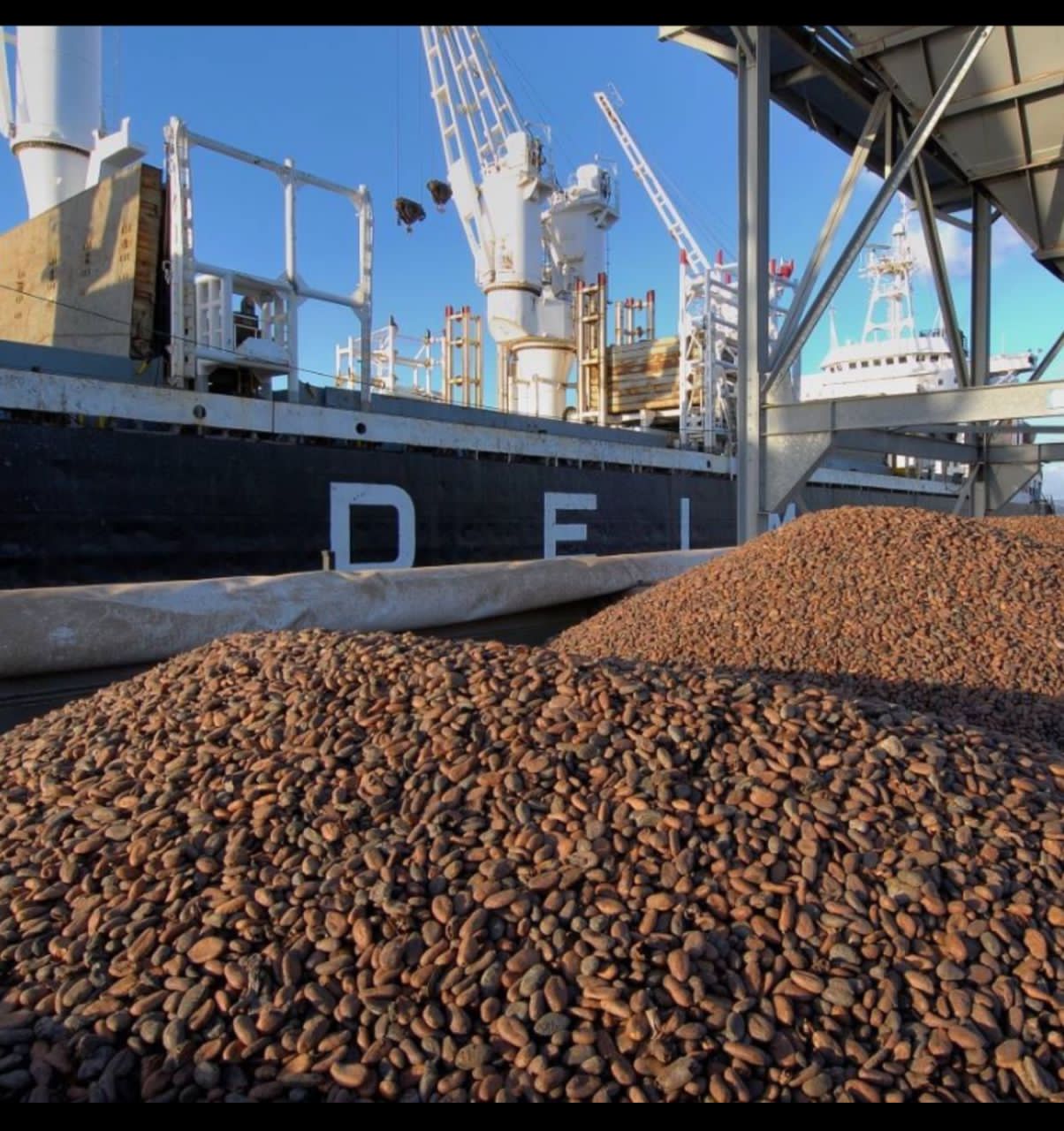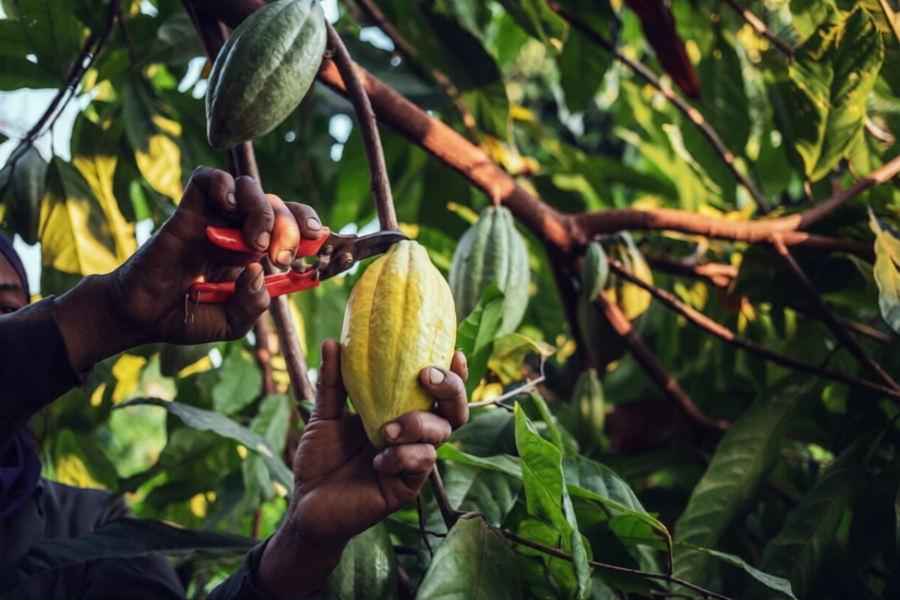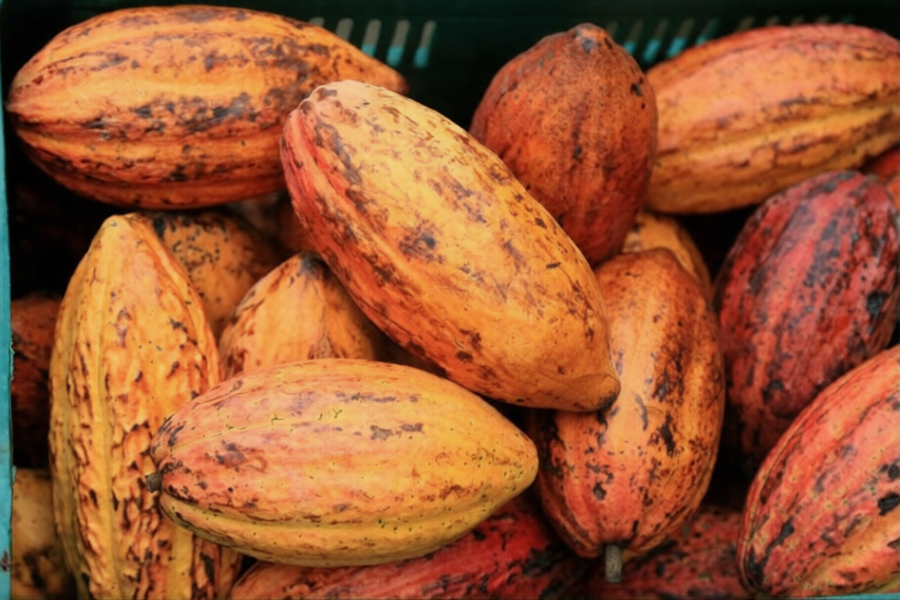
Cocoa export documentation requirements are one of the most underestimated parts of international cocoa trade. Buyers often focus on sample quality, price, and shipment timing, but the document file is what connects the physical cargo to customs release, bank processing, and downstream compliance. If the documents are incomplete or inconsistent, even a well-prepared shipment can become costly.
The key point is that documentation should be built around the transaction, not assembled at the last minute. Different markets, payment methods, and Incoterms can change which documents are required and how they must be formatted. Exporters and buyers should therefore align the file structure early, before the goods are loaded and before avoidable mistakes become embedded in the process.
Key Buyer Takeaways
- The documentation file should be planned before shipment, not after container loading.
- Commercial invoice, packing list, and transport alignment are core building blocks in most cocoa exports.
- Destination-market rules and payment structures can add extra document requirements.
- Consistency across names, quantities, marks, and dates is as important as having the documents themselves.
1. Start with the commercial invoice and packing list
For most cocoa exports, the commercial invoice and packing list form the foundation of the document set. The invoice describes the commercial transaction, while the packing list helps confirm how the cargo is physically structured. These documents need to match the contract terms, shipment details, and transport instructions exactly. If the description of the cocoa changes between documents, the buyer may face banking or customs questions later.
Quantities, bag counts, marks, and weights should be checked carefully. The purpose is not just administrative neatness. It is to make sure the paperwork reflects the actual cargo. Any mismatch between the file and the physical shipment creates avoidable risk.
2. Transport documents and shipment instructions must align
A cocoa export also depends on transport-related documents such as the bill of lading or equivalent carrier records, along with any booking and shipping instructions needed to release the cargo correctly. These items should use the same names, references, and shipment descriptions already established in the commercial file.
This alignment matters because transport documents often trigger payment events and customs procedures. If the exporter waits until after stuffing to clarify these details, corrections become slower and more expensive. Strong exporters build the transport file in parallel with cargo preparation so that both are ready together.
3. Certificates and compliance paperwork depend on destination and buyer needs
Many cocoa shipments require supporting certificates in addition to the core commercial file. Depending on the destination market and the transaction, these may include a certificate of origin, quality certificate, phytosanitary document, insurance evidence, or inspection-related paperwork. Some buyers also request additional traceability or due-diligence records to support their own compliance programs.
The important point is that exporters should not guess which supporting documents are needed. Buyers should communicate their documentary requirements early, especially if the cocoa will enter a market with tighter import controls or company-level compliance rules. A supplier who understands this will usually ask the right questions before loading rather than promising to solve everything later.
4. Documentary consistency is the hidden success factor
Most documentation problems are not caused by missing entire documents. They are caused by inconsistency. A company name may be spelled differently on two forms. A quantity may change by mistake. A product description may be too broad for customs or too narrow for banking. These small mismatches create friction because every party in the chain reads the file for a different purpose.
That is why documentation should be handled with the same discipline as product quality. Exporters need a controlled review process before the file is issued. Buyers should also compare the final documents against the agreed structure before they move into customs or finance workflows.
5. Documentation works best when linked to traceability and service execution
A good cocoa document file does not exist in isolation. It is strongest when it reflects a real operating process that links sourcing, lot handling, and shipment preparation. This is why the exporter's handling model on the services page and the lot-visibility system on the traceability page matter to buyers reviewing paperwork.
If your procurement team needs a tailored document checklist for a Cameroon shipment, use the contact page before final contracting. It is easier to build the right document pack early than to repair a weak one under port and payment pressure.
Need a Cameroon cocoa shipment file aligned before cargo moves?
COCOABRIDGE can help structure the commercial and supporting document pack around your buyer and destination requirements.
Frequently Asked Questions
Are cocoa export documentation requirements the same for every country?
No. Core commercial documents are common, but supporting certificates and compliance records can vary by destination market, buyer policy, and transaction structure.
When should buyers provide document instructions?
Ideally before loading and preferably before the final contract is executed. Early alignment reduces errors and late-stage corrections.
What causes most cocoa document delays?
Inconsistent names, quantities, references, and commodity descriptions across the document set are among the most common causes of delay.