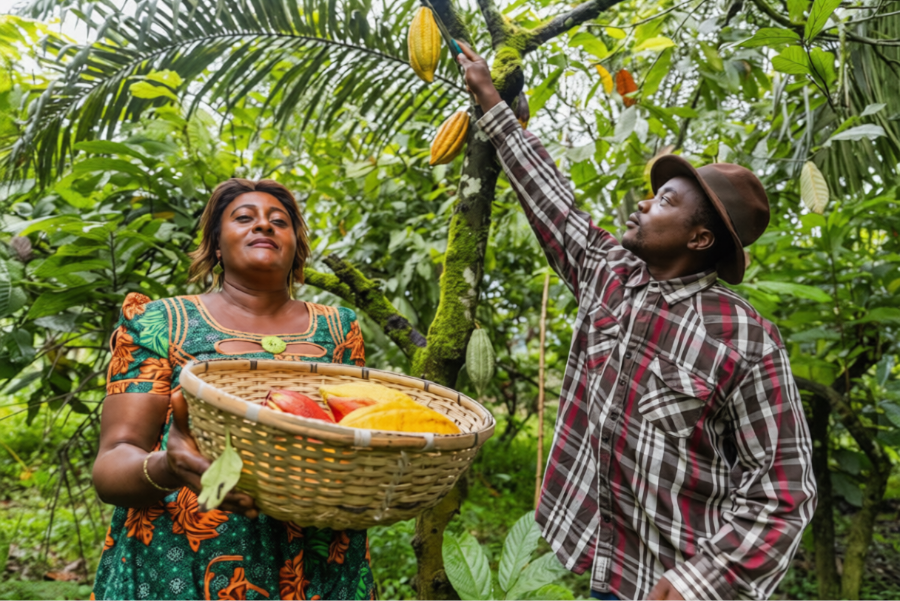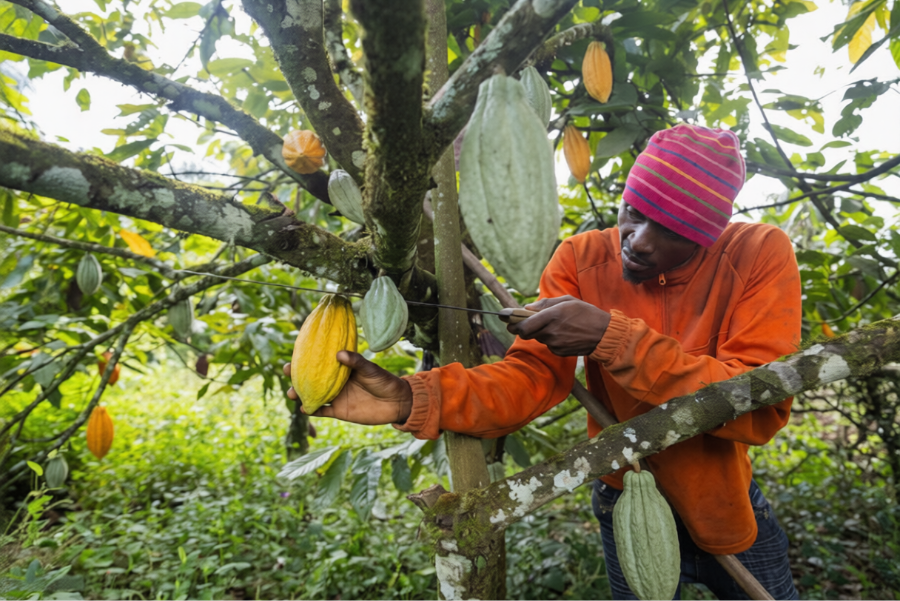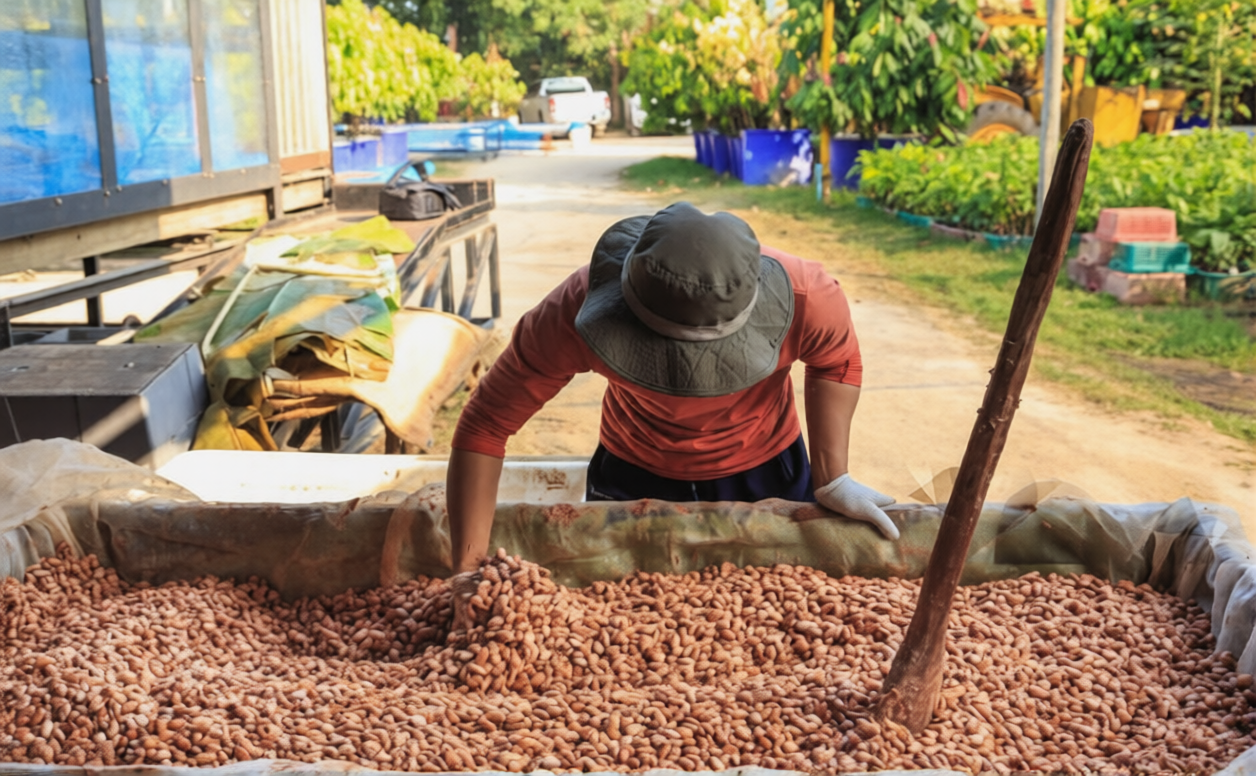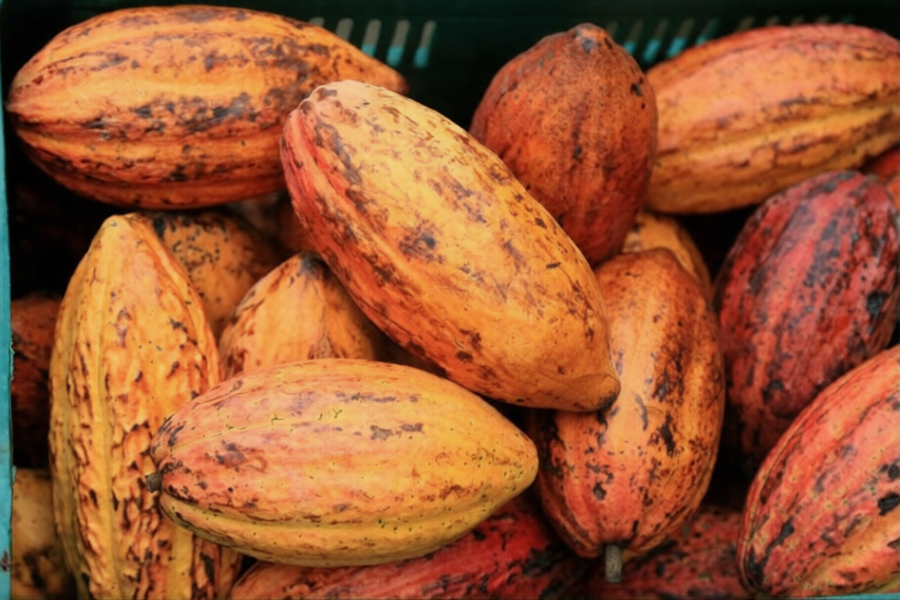
Cocoa grades explained in practical terms means understanding how physical quality translates into commercial risk. Grade 1 and Grade 2 cocoa are not just labels used in a warehouse or on an invoice. They represent different tolerances for moisture, defects, fermentation quality, and overall lot consistency. For buyers, the difference between the two can affect roasting behavior, processing yield, and the amount of re-sorting needed before production.
The most useful way to think about grade is not as a trophy category but as a decision tool. A lot can be commercially acceptable and still be a poor fit for a buyer if the grade does not match the intended use. This is why serious buyers ask how the grade was determined, which tests were used, and whether the approved sample accurately represents the whole lot.
Key Buyer Takeaways
- Grade 1 cocoa typically signals tighter control over defects, moisture, and fermentation consistency.
- Grade 2 cocoa can still be usable, but buyers should expect wider tolerance ranges and more lot review.
- A grade label matters less than the actual inspection data behind it.
- Lot homogeneity is often the hidden factor that separates an easy shipment from a costly one.
1. What cocoa grading is designed to measure
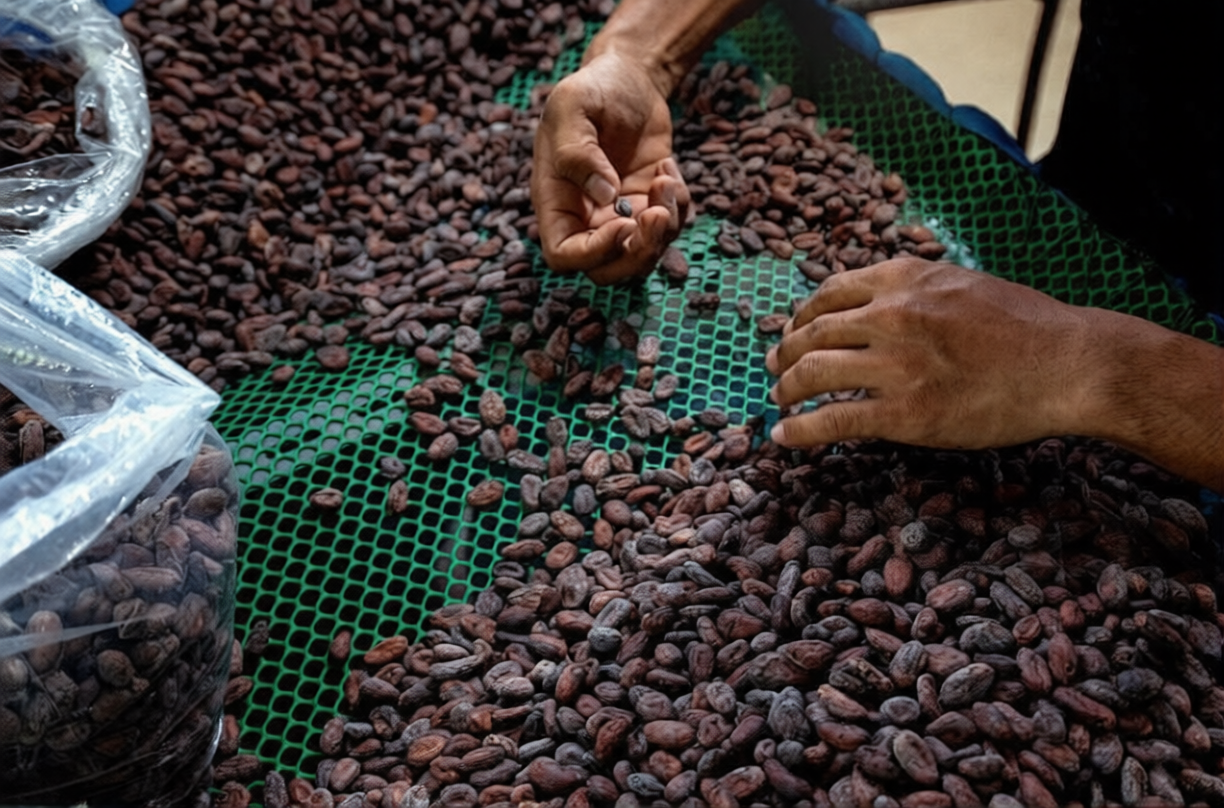
Cocoa grading exists to translate physical bean condition into a commercial shorthand that buyers and exporters can both understand. The grading decision usually reflects several factors working together: moisture content, bean cut results, presence of mold or slate, insect damage, foreign matter, bag condition, and the overall visual uniformity of the lot. None of these factors should be viewed in isolation.
A buyer reading Grade 1 on a document should expect a lot that needs less correction before processing and is more likely to perform consistently. Grade 2 can still be acceptable for some manufacturing programs, but it often requires a more careful tolerance review. This is why the exporter should always back the grade with actual inspection data rather than relying on a generic label.
2. What usually separates Grade 1 from Grade 2
Grade 1 cocoa is generally associated with cleaner bean presentation, stronger fermentation outcomes, lower defect ratios, and tighter moisture control. Buyers often prefer Grade 1 lots when they want reliable processing behavior or when the cocoa will be used in higher-value applications where sensory consistency matters. A Grade 1 claim should imply that the exporter applied disciplined sorting and selection, not simply that the beans looked acceptable from the outside.
Grade 2 cocoa often reflects broader tolerance levels. That can mean more flattened beans, a wider spread in bean size, slightly weaker fermentation consistency, or defect counts that remain commercially usable but are not as tight as Grade 1 expectations. Grade 2 is not automatically poor cocoa. The real question is whether the lot profile aligns with the buyer's process and price target.
Moisture and defect control
When buyers compare grades, moisture and defects deserve special attention because they affect both shelf stability and roasting performance. A visually clean lot that carries excess moisture can still create storage or mold risk later, while a drier lot with defect issues may create waste at processing.
3. Why bean cut tests matter more than surface appearance
Surface appearance can be misleading. A bag of cocoa may look uniform from the outside while hiding inconsistent fermentation or a high share of slaty beans. That is why bean cut testing is one of the most important steps in export grading. Cutting a representative sample reveals whether the lot was properly fermented, whether purple or slaty beans are present in excess, and whether the internal color profile matches the declared quality level.
For buyers, a cut test is the bridge between the marketing claim and the actual physical reality of the beans. It should be paired with moisture analysis and defect screening to build a complete quality picture. If the exporter cannot explain how the grade was validated, the buyer should treat the grade label as incomplete information rather than reliable proof.
4. How grade affects price and contract structure
Grade influences price, but buyers should avoid assuming that the higher grade is always the better commercial outcome. Grade 1 cocoa may justify a stronger price when the lot reduces processing losses, gives more stable sensory performance, and lowers rejection risk. Grade 2 may still be attractive when the buyer's process can handle broader tolerances and the landed cost advantage is meaningful.
The contract should state how grade disputes will be handled if the delivered lot differs from the approved sample or pre-shipment report. A strong supply agreement defines the inspection reference, accepted tolerance ranges, and the process for addressing non-conformity. If the grade is important enough to drive the price, it is important enough to be documented precisely.
5. What buyers should ask before approving a grade claim
Before accepting Grade 1 or Grade 2 cocoa, buyers should ask for the sampling method, moisture results, cut test summary, defect observations, and photos or video of the prepared lot. They should also confirm whether the lot is traceable to a specific sourcing program or whether it is a mixed-origin aggregation. Those answers reveal whether the grade is being managed systematically or simply asserted during negotiation.
The most dependable exporters combine grading with lot traceability and documented warehouse controls. If you are evaluating a shipment, compare the claimed grade with the exporter's handling standards on the services page and with the lot-history approach described on the traceability page. That comparison tells you whether the quality system is strong enough to support the grade printed on the paperwork.
Need cocoa graded to buyer-ready export standards?
Use the COCOABRIDGE team to align grade, inspection, and shipping documentation before you commit to a container.
Frequently Asked Questions
Is Grade 2 cocoa unsuitable for export?
No. Grade 2 cocoa can still be commercially suitable, especially for buyers whose processes allow broader tolerances. The key issue is whether the quality profile matches the intended application and the agreed price.
Can two lots both be called Grade 1 and still perform differently?
Yes. Grade labels simplify quality, but lot homogeneity, origin mix, storage condition, and fermentation character can still produce different processing outcomes.
What is the best way to verify a cocoa grade claim?
Request a representative sample, review the cut test and moisture results, and compare the declared grade to the actual lot data before shipment.