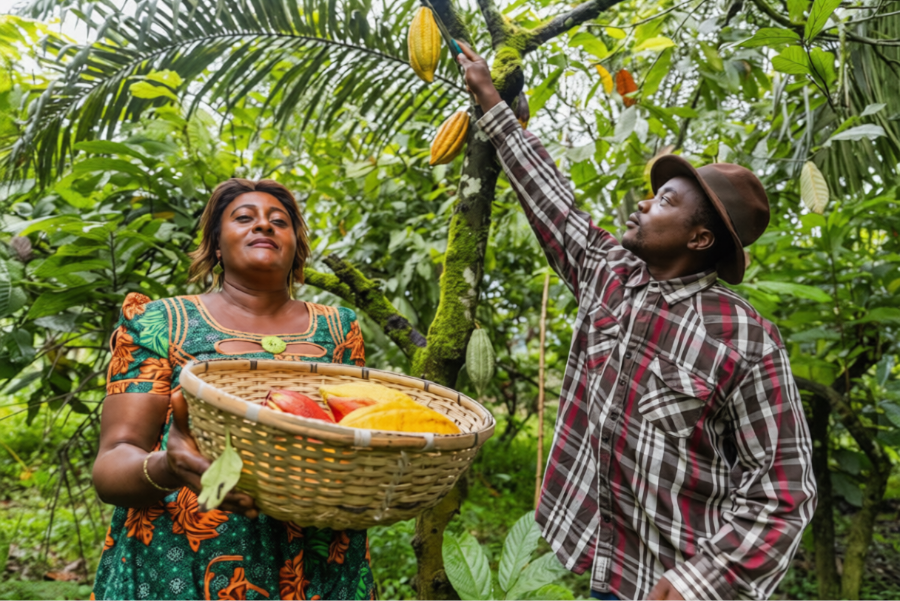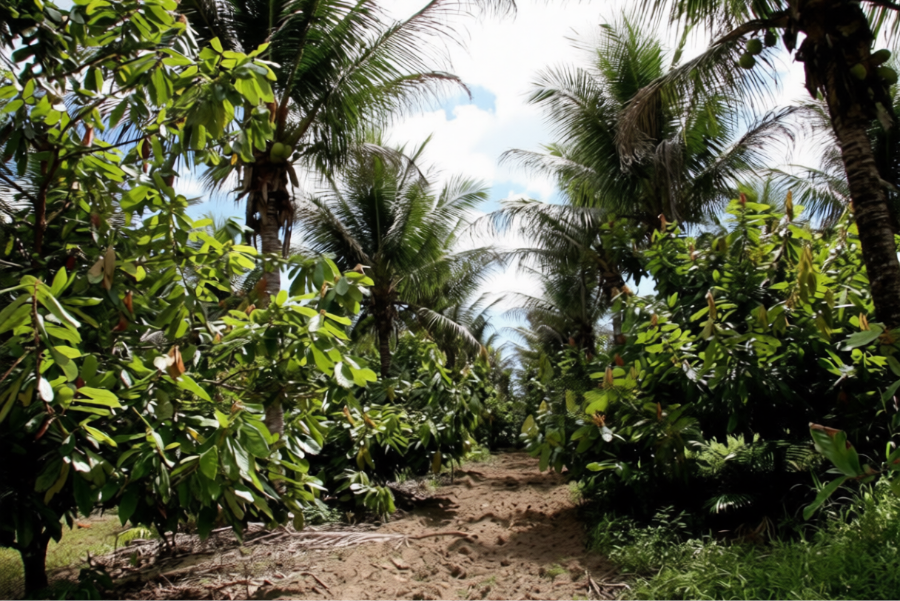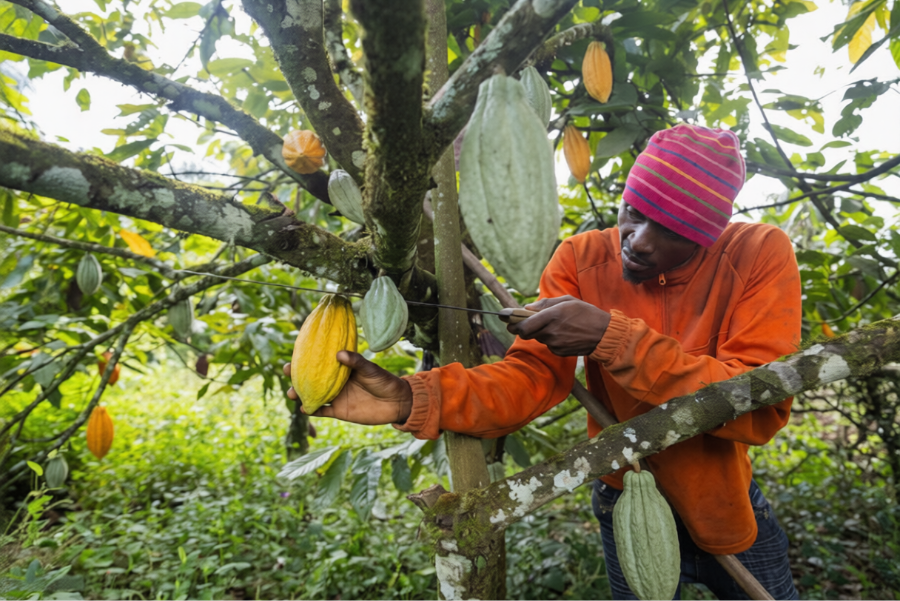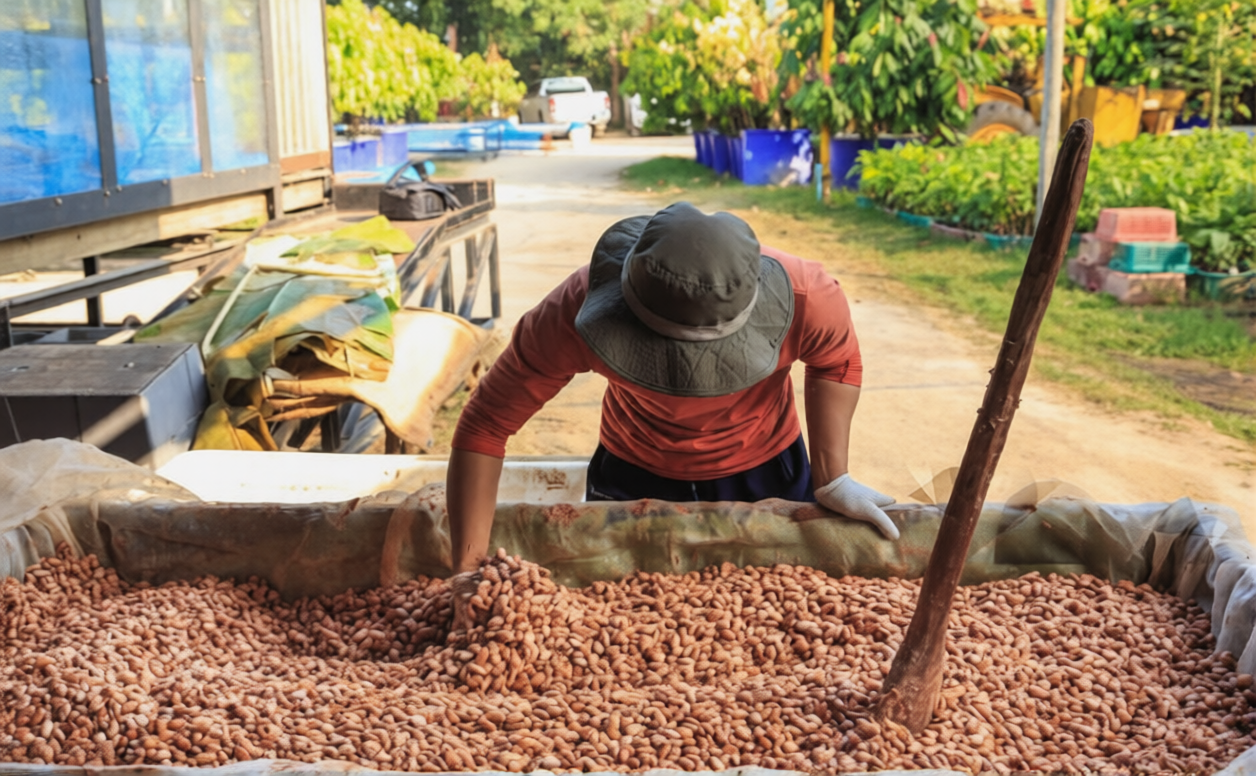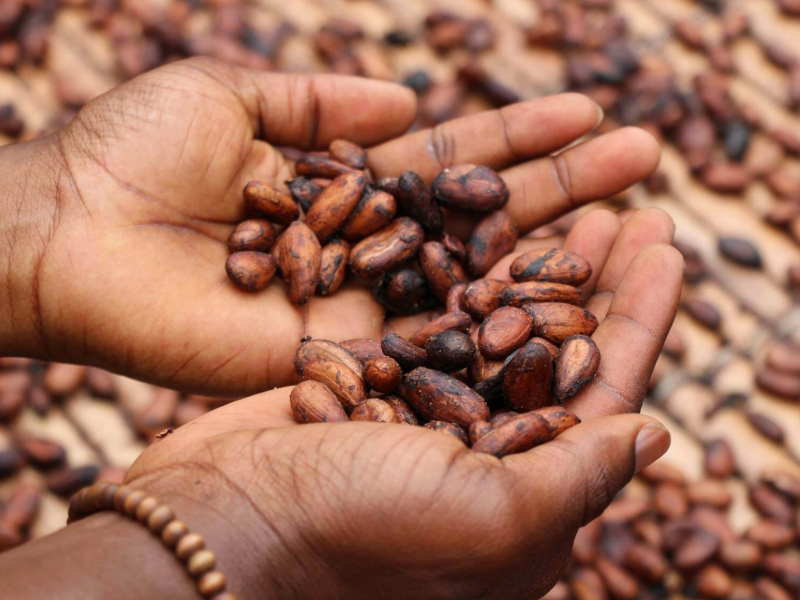
The Cameroon cocoa vs Ghana cocoa decision is not about declaring one origin universally better than the other. It is about matching origin characteristics to the buyer's manufacturing, sourcing, and compliance priorities. Both countries are established cocoa origins, but they differ in market structure, exporter relationship models, and the way buyers often experience lot flexibility and traceability in practice.
For procurement teams, origin comparison becomes most useful when it moves beyond stereotypes. Instead of asking which origin is premium, ask which origin offers the right combination of flavor profile, lot consistency, documentation readiness, and commercial flexibility. That is the question that leads to better buying decisions and fewer shipment mismatches.
Key Buyer Takeaways
- Cameroon and Ghana both offer strong cocoa options, but they serve buyer priorities differently.
- Origin choice should reflect quality targets, traceability needs, and contracting style.
- Cameroon can offer flexibility and exporter-led customization for many buyers.
- The right origin is the one that fits the buyer's process, not the loudest origin narrative.
1. Flavor and lot profile are part of the decision, but not the whole decision
Buyers often begin the comparison with flavor and physical bean character, which is understandable because those traits shape downstream processing and blending decisions. But flavor alone rarely decides the best origin. What matters commercially is whether the available lot profile is consistent enough for the buyer's process and whether the exporter can reproduce that profile over time.
Cameroon cocoa is often appreciated for offering commercially relevant flexibility across bulk and differentiated sourcing programs. Ghana cocoa carries its own established reputation in many markets, especially where buyers value a familiar origin benchmark. The practical question is not which reputation is stronger. It is whether the specific lot available today meets your product and contract needs.
2. Supply-chain structure affects how buyers experience each origin
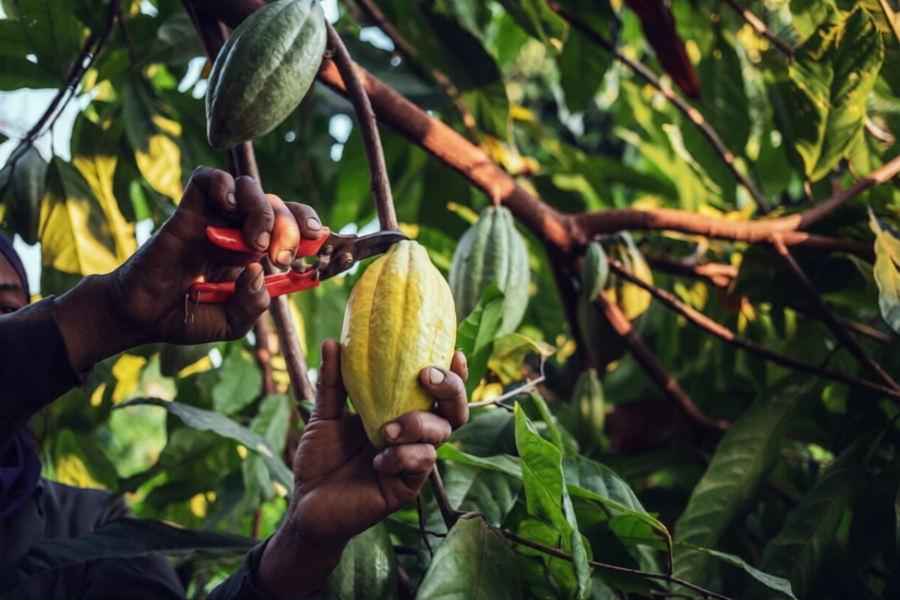
One of the most important differences between origins is how the supply chain is organized. In Cameroon, buyers often work more directly with exporters who coordinate sourcing, lot preparation, and shipment execution across farmer or aggregator networks. That can create room for commercial flexibility, faster specification alignment, and exporter-managed traceability programs.
For many buyers, this structure is useful because it puts sourcing, quality, and logistics under one accountable exporter relationship. It also makes it easier to discuss customized shipment needs, especially when the buyer wants a practical working partner rather than a highly standardized origin channel.
3. Traceability and compliance questions should be asked origin by origin
Neither origin should be treated as automatically traceable or automatically opaque. What matters is the exporter and the system behind the lot. Buyers should ask how farm or community origin is recorded, how lots are segregated, and how handling records are maintained from sourcing to warehouse. Those answers tell you more than general market perception.
Cameroon can be especially attractive for buyers who want exporter-led transparency combined with practical operational dialogue. If that is part of your buying model, reviewing a supplier's traceability process on the traceability page is more useful than relying on broad assumptions about country reputation.
4. Commercial flexibility matters for industrial buyers
Industrial buyers often need more than good beans. They need suppliers who can adapt lot assembly, shipment scheduling, and paperwork to their procurement cycle. This is where Cameroon-origin exporters can be attractive. Buyers frequently value the ability to negotiate directly on specification, loading plans, and supporting documents with a partner who is close to the physical operation.
That flexibility can be especially useful when a buyer is balancing several origins, managing staggered shipment windows, or working through evolving compliance rules. In those cases, the supplier relationship matters as much as the origin itself. A responsive exporter can create a better commercial result than a stronger origin story paired with weak execution.
5. Choose the origin that fits your processing and risk model
The best origin decision comes from matching origin characteristics to buyer priorities. If the buying program values a flexible exporter relationship, transparent lot discussion, and practical shipment coordination, Cameroon deserves close attention. If the program is built around other constraints, a different origin mix may be more appropriate. Either way, origin choice should be evidence-based rather than narrative-driven.
For buyers evaluating Cameroon as part of their sourcing portfolio, the right next step is to review origin capabilities on the services page and request a tailored shipment discussion through the contact page. The real comparison begins when you place a live specification next to a real exporter response.
Want to compare Cameroon-origin cocoa against your current sourcing baseline?
Send your target grade, quantity, and destination market to COCOABRIDGE for a practical origin-fit discussion.
Frequently Asked Questions
Is Cameroon cocoa always cheaper than Ghana cocoa?
Not always. Price depends on market conditions, lot profile, shipment timing, and exporter capability. Buyers should compare landed value, not just headline price.
Can Cameroon cocoa support traceable sourcing programs?
Yes, when the exporter runs a structured sourcing and lot-control system. The capability depends on the supplier, not on country reputation alone.
What is the best way to compare two origins?
Use the same product specification, quality criteria, logistics assumptions, and documentation needs for both origins. That creates a meaningful commercial comparison.