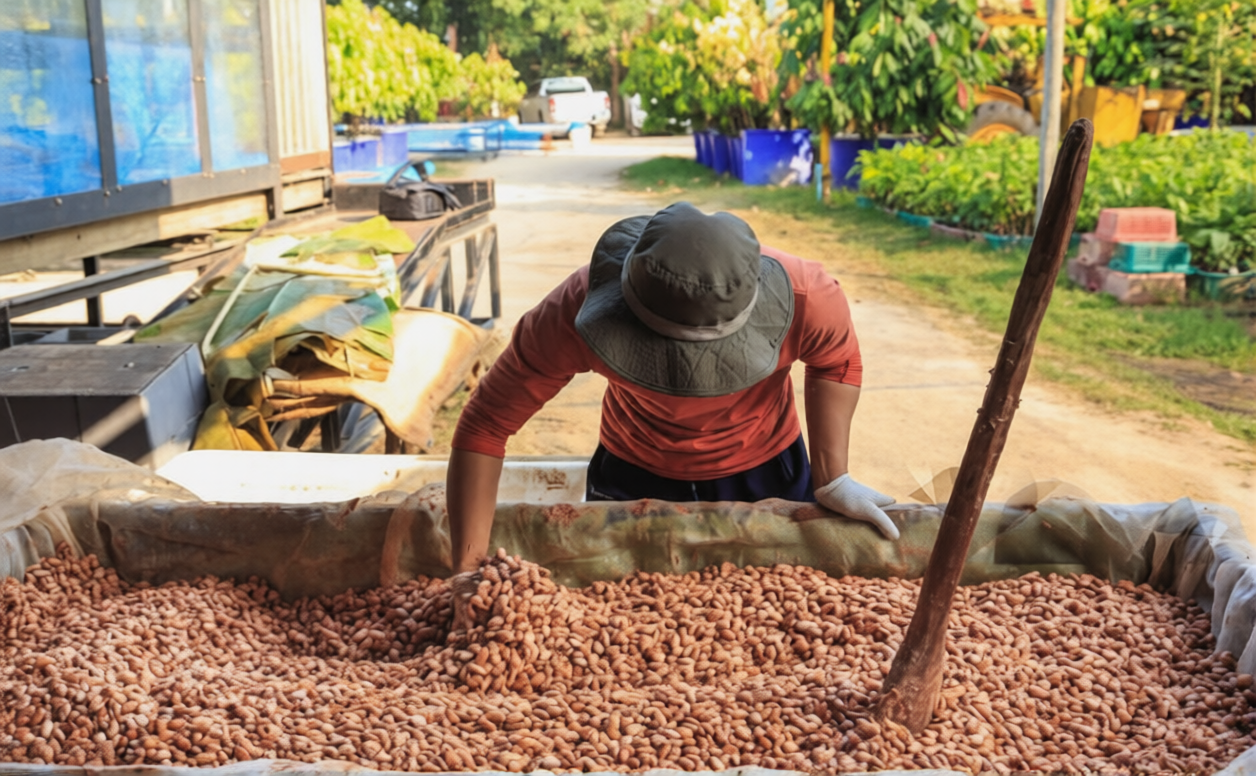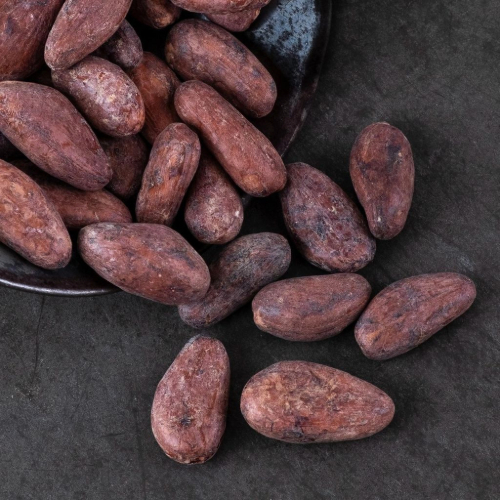
A bulk cocoa buying guide is most useful when it helps procurement teams avoid expensive assumptions. Buying cocoa in container volumes is not only a matter of agreeing a price per tonne. Buyers must define the quality profile, shipment timing, documentary expectations, and supplier controls before they place an order. Without that discipline, a low-priced deal can turn into a costly claim, delay, or performance mismatch.
International buyers also need to think beyond the first shipment. A good purchase process should help determine whether the supplier can scale, repeat the specification, and support longer-term sourcing plans. This is why strong bulk buying starts with a technical-commercial checklist rather than a simple price inquiry.
Key Buyer Takeaways
- Bulk cocoa purchasing should begin with a written specification, not a price-only request.
- Supplier due diligence should cover sourcing, quality controls, documents, and loading discipline.
- Payment terms and Incoterms need to fit both risk appetite and logistics reality.
- The best bulk purchase is the one that can be repeated reliably, not just the cheapest first order.
1. Write the specification before you request a quote
The most effective cocoa buyers begin with a written specification that covers grade, moisture range, defect tolerance, bean count preference, packaging, quantity, Incoterm, shipment window, and destination port. This turns the buying conversation from guesswork into a real offer process. It also makes it easier to compare suppliers because each exporter is responding to the same technical-commercial brief.
When the specification is vague, suppliers fill in the gaps with their own assumptions. That leads to inconsistent quotations and weak comparability. A clear brief also helps the exporter prepare the correct lot and documentation, especially when the buyer's market has specific compliance or traceability needs.
2. Screen suppliers on execution, not only on trading language
A supplier that communicates well during negotiation is not automatically a strong operator. Buyers should ask how the cocoa is sourced, how lots are prepared, which quality tests are performed, and what documents are normally provided. The supplier should be able to explain the operational path from origin to shipment without resorting to vague assurances.
This is where it helps to review the exporter's published operating information. The services page should show how sourcing, quality, and logistics are managed. The traceability page should show whether the supplier can keep lot information visible. Together, those pages tell buyers much more than a polished sales email.
3. Align commercial terms with risk management
Bulk cocoa buying also requires clarity on Incoterms, payment milestones, sample approval, and document-release timing. Procurement teams should think carefully about how much execution risk they want to hold and how much they expect the exporter to manage. The right structure depends on the buyer's financing model, destination requirements, and comfort with origin operations.
A strong contract should also define what happens if the lot delivered differs materially from the approved quality profile. Quality, quantity, and documentary expectations should all be explicit. If a point is important enough to influence price, it is important enough to appear in the contract terms.
Why Incoterms matter
Incoterms determine where cost and risk transfer between exporter and buyer. In bulk purchases, that decision can affect freight coordination, insurance responsibility, and how quickly problems are visible.
4. Request evidence before committing to scale
Buyers placing a first order should request pre-shipment samples, quality summaries, lot photos, and clear document expectations before committing to a larger program. These materials help separate suppliers with real operating control from those relying on general market access. A small amount of structured due diligence at this stage saves far more time later.
This is also the moment to test responsiveness. How quickly does the exporter answer technical questions? Can they explain shipment timing realistically? Do they understand what your plant or customer needs from the cocoa? Those answers are early indicators of how the relationship will function under pressure.
5. Buy for repeatability, not just for a one-off deal
A successful bulk cocoa purchase should be repeatable. That means the supplier can recreate the specification, support the same level of documentation, and maintain communication quality over time. Buyers who only optimize for the first order often discover that the program does not scale once volumes increase or compliance requirements tighten.
If you are building a repeatable sourcing program from Cameroon, start the conversation through the contact page with your full requirement set. The earlier you align volume, quality, timing, and documentation expectations, the easier it becomes to turn a first trial into a durable supply line.
Need a bulk cocoa offer built around your actual procurement needs?
COCOABRIDGE can prepare a buyer-ready export response covering quality, lot structure, shipping terms, and documentation.
Frequently Asked Questions
What should an international buyer include in a bulk cocoa RFQ?
At minimum, include product grade, quantity, packaging, destination port, shipment timing, required documents, and any traceability or compliance expectations.
Is it enough to approve only a physical sample?
No. Buyers should also review how the lot will be prepared, how quality is tested, and how the documents will be structured before shipment.
How can a buyer tell if a cocoa supplier is ready for repeat business?
Look for consistent operating processes, clear communication, and the ability to describe sourcing, quality, and logistics in a structured way.