Quality Control Procedures
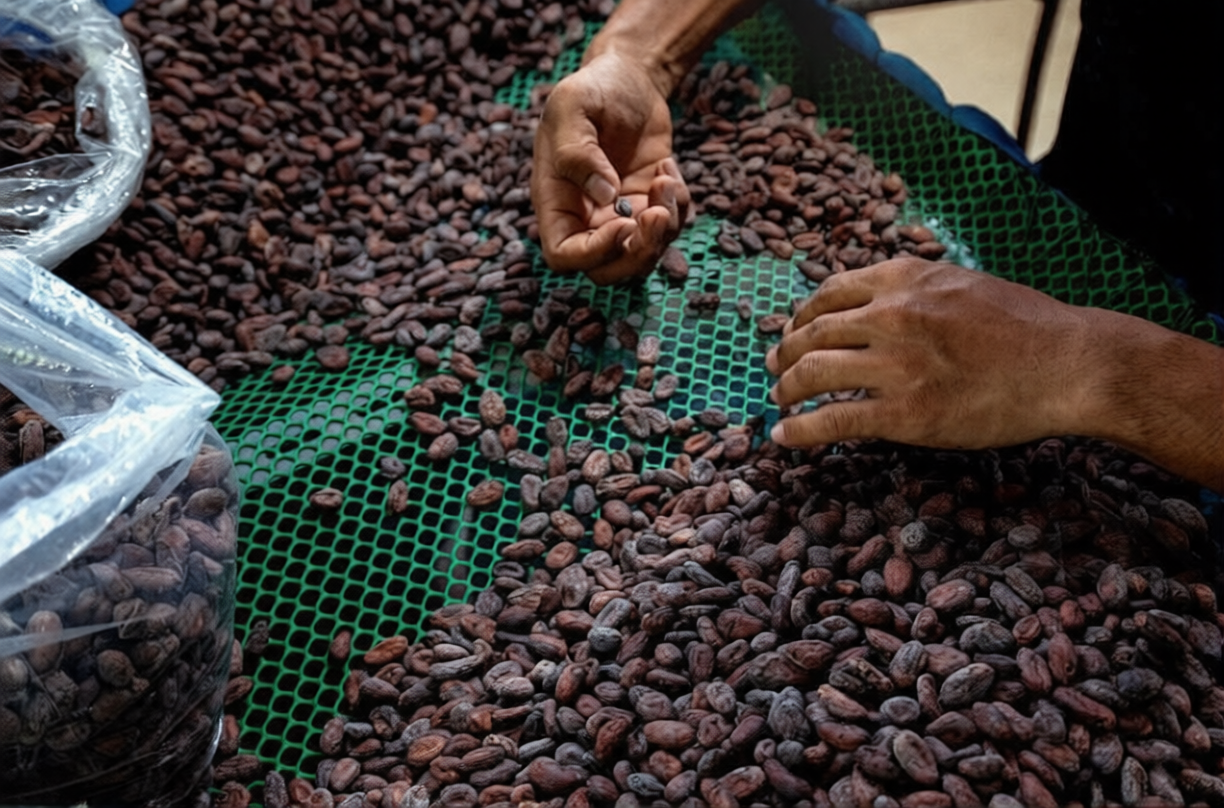
Quality control includes moisture review, visual inspection, bean cut tests, sorting discipline, defect screening, bag integrity checks, and lot confirmation before dispatch. Cocoa that is too wet, poorly fermented, mold affected, smoky, or heavily contaminated creates risk for both buyer and exporter. COCOABRIDGE treats quality control as a pre-shipment discipline, not a late-stage formality. Buyers may request specification alignment, sample evaluation, and supporting quality notes before final order confirmation.
For B2B buyers, this stage should be documented in plain commercial language so procurement, quality, logistics, and finance teams can make decisions from the same information. COCOABRIDGE keeps the export process practical by connecting origin activity with buyer-facing records, clear milestones, and responsive communication.
Export Compliance
Export compliance depends on correct documentation and commodity classification. Typical cocoa shipments may require a commercial invoice, packing list, certificate of origin, phytosanitary certificate, quality or inspection records, export clearance documents, and shipping instructions that match the buyer contract. COCOABRIDGE coordinates documentation early so names, weights, marks, origin details, and cargo descriptions remain consistent across the shipment file.
For B2B buyers, this stage should be documented in plain commercial language so procurement, quality, logistics, and finance teams can make decisions from the same information. COCOABRIDGE keeps the export process practical by connecting origin activity with buyer-facing records, clear milestones, and responsive communication.
International Logistics
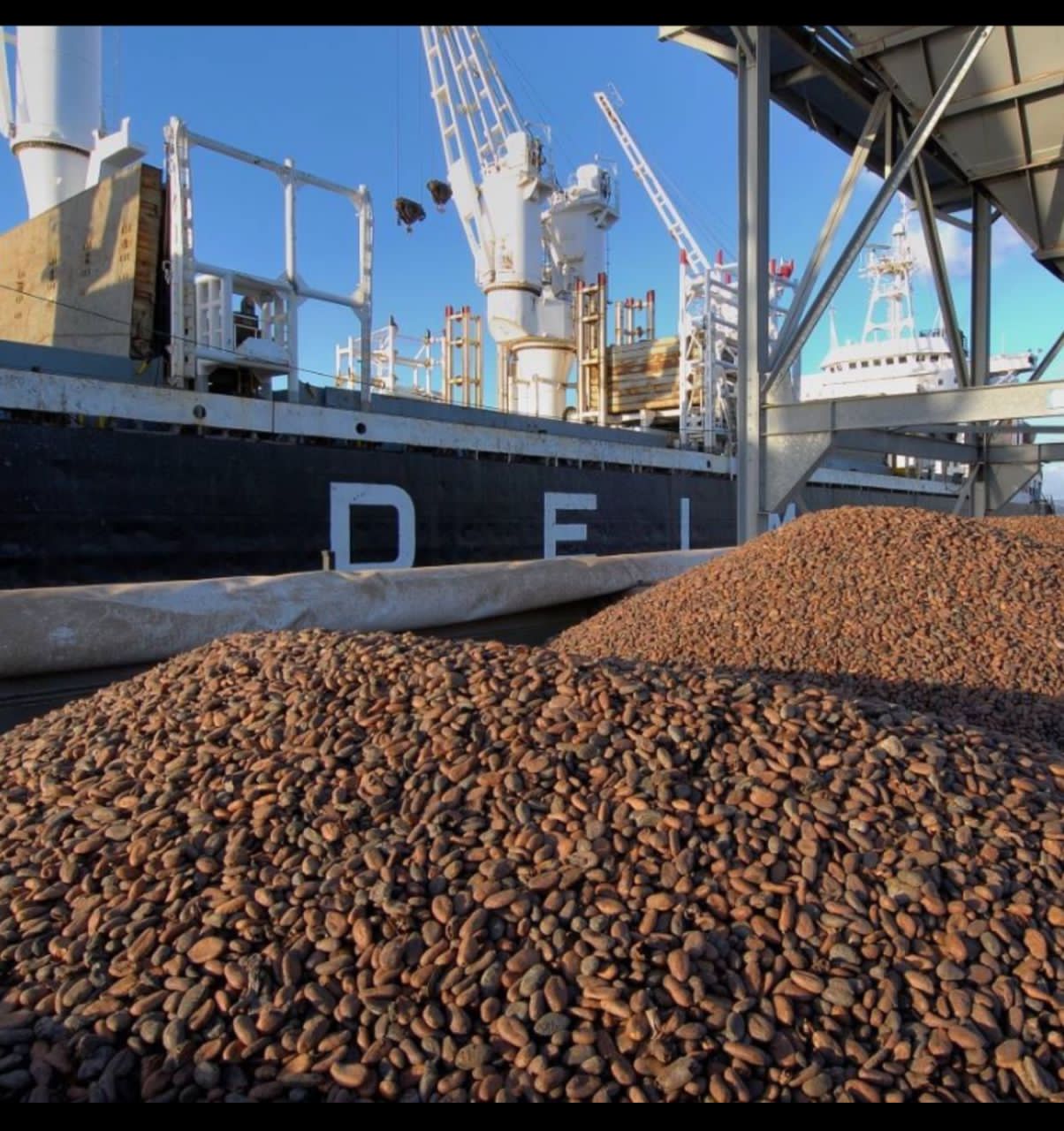
Most bulk cocoa shipments move through structured inland handling, container stuffing, sealing, customs processing, terminal delivery, and ocean freight coordination. COCOABRIDGE supports buyers with shipment planning around destination port, container availability, Incoterm, transit expectations, and document release. The goal is not only to load cocoa, but to give the buyer a shipment file that can be cleared, financed, and received without avoidable confusion.
For B2B buyers, this stage should be documented in plain commercial language so procurement, quality, logistics, and finance teams can make decisions from the same information. COCOABRIDGE keeps the export process practical by connecting origin activity with buyer-facing records, clear milestones, and responsive communication.
Sustainability Initiatives
Sustainability for cocoa buyers begins with responsible sourcing relationships, better traceability, and clear expectations for quality and handling. COCOABRIDGE prioritizes supply channels that support long-term farmer participation and reduce waste caused by poor drying, rejected lots, or preventable quality failures. Where buyers require additional sustainability criteria, we discuss the documentation and verification expectations before confirming commercial commitments.
For B2B buyers, this stage should be documented in plain commercial language so procurement, quality, logistics, and finance teams can make decisions from the same information. COCOABRIDGE keeps the export process practical by connecting origin activity with buyer-facing records, clear milestones, and responsive communication.
Traceability and Packaging
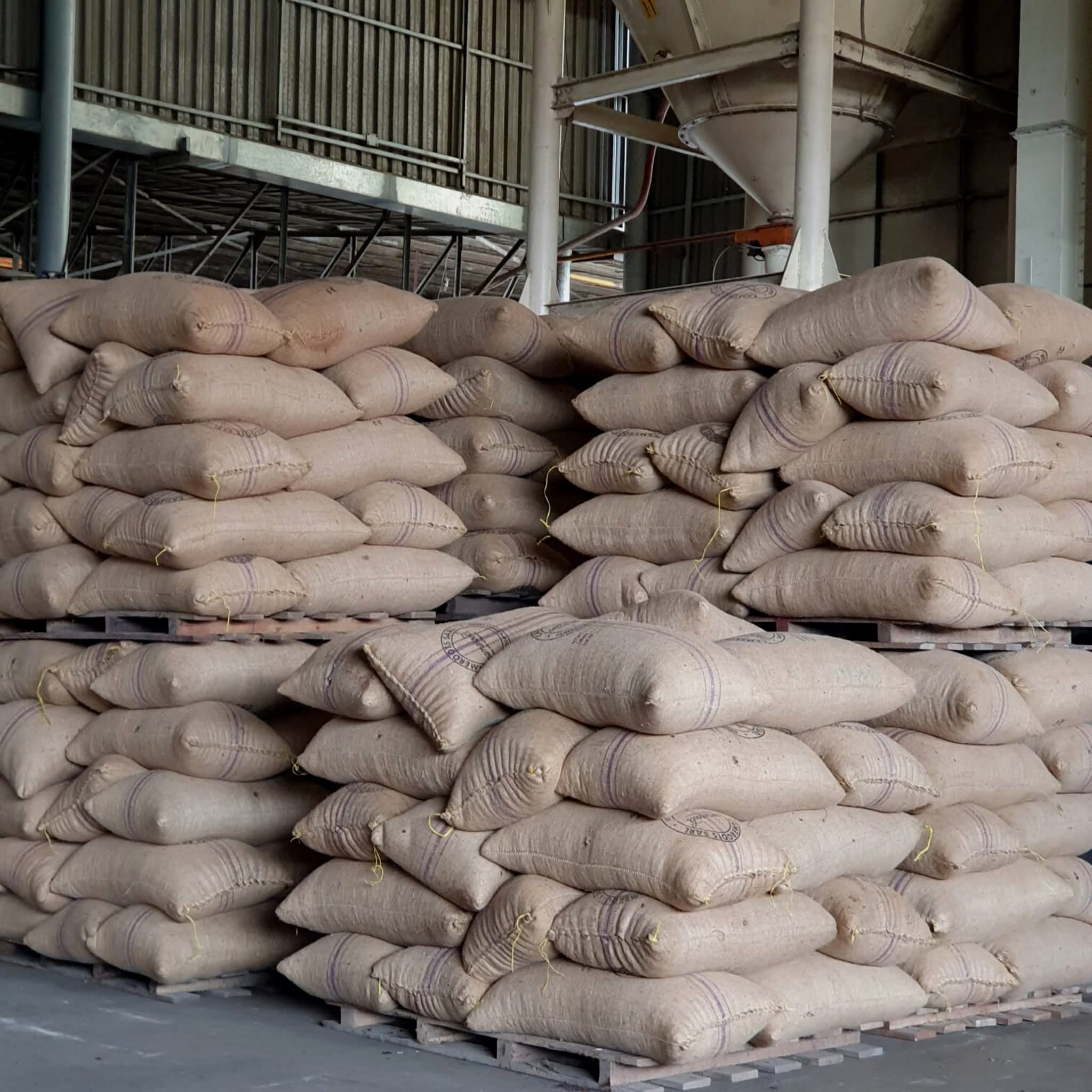
Traceability records can include origin area, lot reference, aggregation notes, warehouse movement, bag marks, and loading details. Packaging is normally planned around export-grade bags suitable for container shipment, with bag count, net weight, markings, palletization requests, and container layout confirmed according to buyer requirements. Good packaging protects physical quality and makes inventory control easier when the cargo arrives.
For B2B buyers, this stage should be documented in plain commercial language so procurement, quality, logistics, and finance teams can make decisions from the same information. COCOABRIDGE keeps the export process practical by connecting origin activity with buyer-facing records, clear milestones, and responsive communication.
Global Markets Served
COCOABRIDGE works with buyers targeting Europe, North America, the Middle East, Asia, and African regional trade. Each market has its own documentary and compliance expectations, so the inquiry stage should include destination country, intended use, target quantity, requested certification, and preferred shipping term. That information allows our export desk to respond with a realistic supply pathway.
For B2B buyers, this stage should be documented in plain commercial language so procurement, quality, logistics, and finance teams can make decisions from the same information. COCOABRIDGE keeps the export process practical by connecting origin activity with buyer-facing records, clear milestones, and responsive communication.