Buyers searching for top cocoa export companies in Cameroon often expect a simple ranking list, but the real buying decision is more operational than promotional. The best exporter for one buyer may not be the best exporter for another because cocoa programs differ by volume, traceability expectations, quality profile, financing terms, and destination-market compliance needs. A supplier handling large industrial shipments is not automatically the best fit for a specialty buyer, and a low quoted price does not prove execution strength.
Instead of relying on generic lists, international buyers should compare exporters against a clear capability framework. The most valuable comparison points are sourcing control, documentation discipline, warehouse management, pre-shipment inspection, and post-shipment communication. Those are the traits that distinguish a durable export partner from a broker who only closes deals when market conditions are easy.
Key Buyer Takeaways
- A useful exporter comparison should focus on capabilities, not marketing rankings.
- Traceability, quality systems, and documentation accuracy matter as much as quoted price.
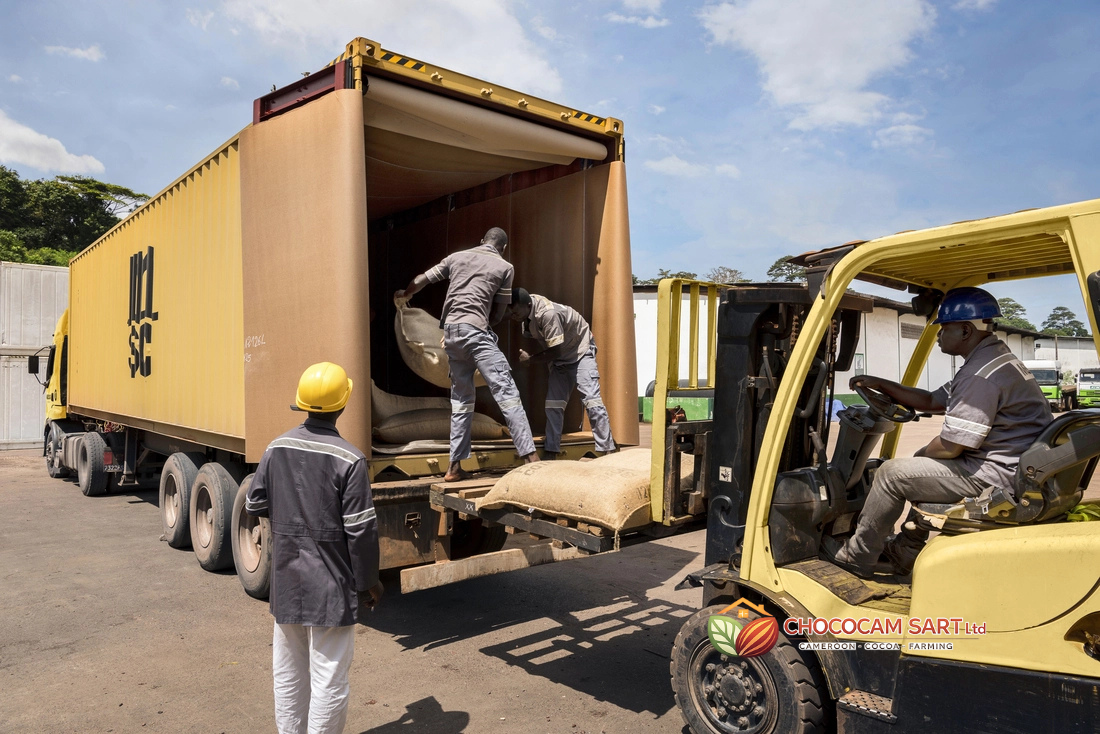
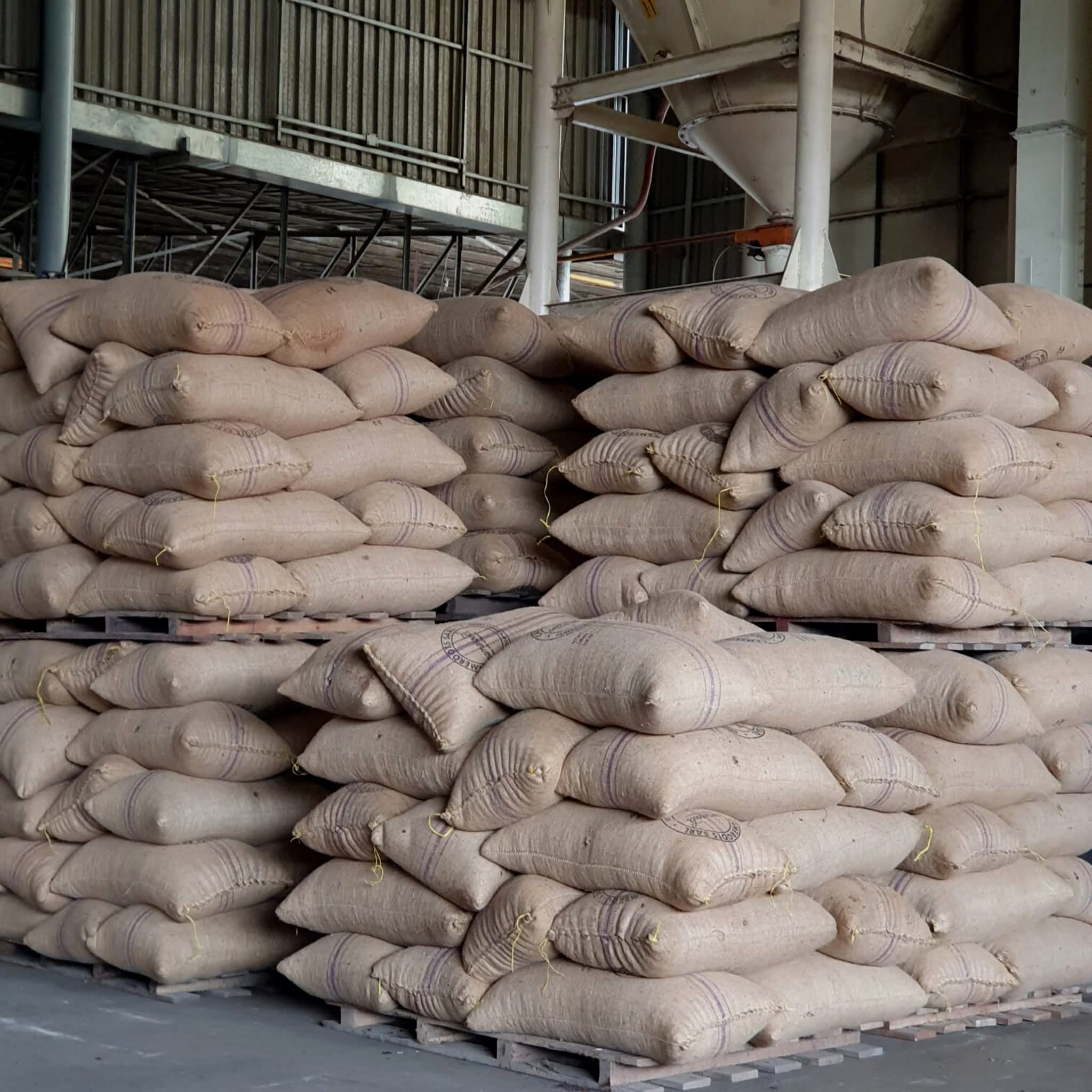
- Warehouse visibility and lot preparation tell buyers whether the exporter controls the product physically.
- The best supplier is the one that fits the buyer's risk tolerance, quality target, and compliance needs.
1. Compare sourcing control before comparing price
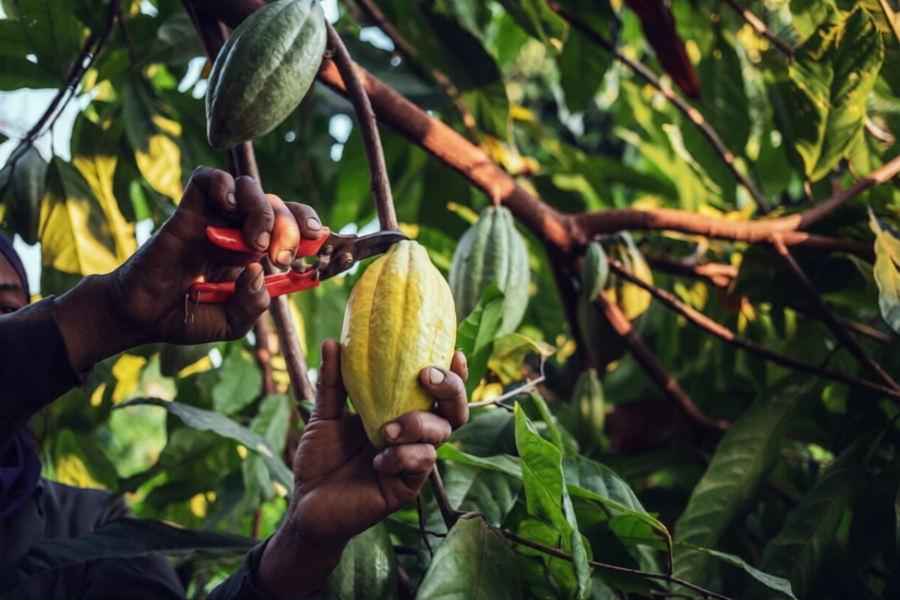
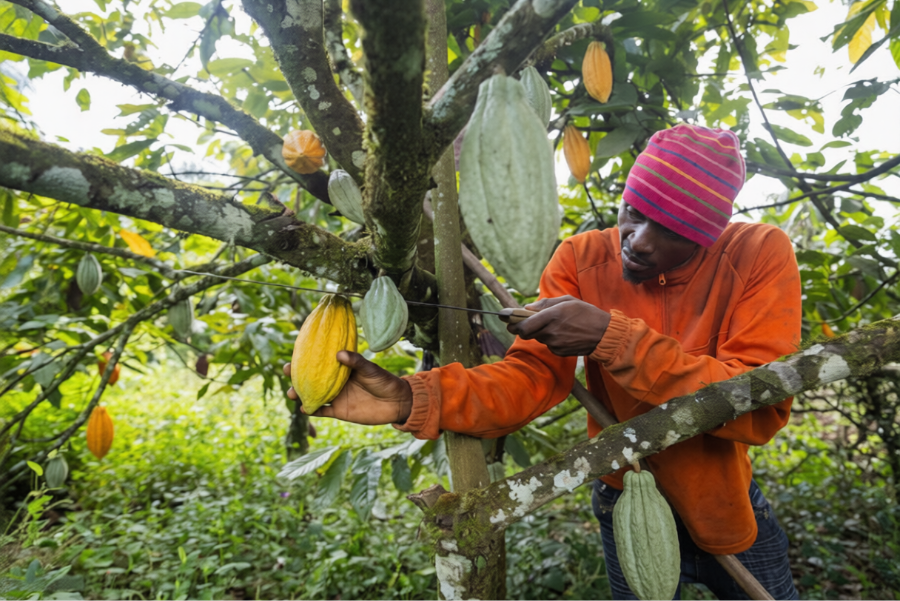
The strongest Cameroon exporters are usually those with direct or closely managed relationships in producing areas. That sourcing control matters because it improves lot visibility, helps maintain supply continuity, and gives the exporter more influence over post-harvest quality. Exporters who only assemble cocoa opportunistically may quote aggressively in the short term, but they often struggle to maintain consistency when the market tightens or when buyer specifications become more demanding.
Ask where the beans are coming from, whether the exporter works with cooperatives or aggregators, and how lots are separated and recorded. If the exporter cannot explain the sourcing structure clearly, the buyer should expect greater variability later. Good exporters are able to connect their commercial offer to an identifiable supply network rather than a vague promise of availability.
2. Look at quality systems, not just sample quality
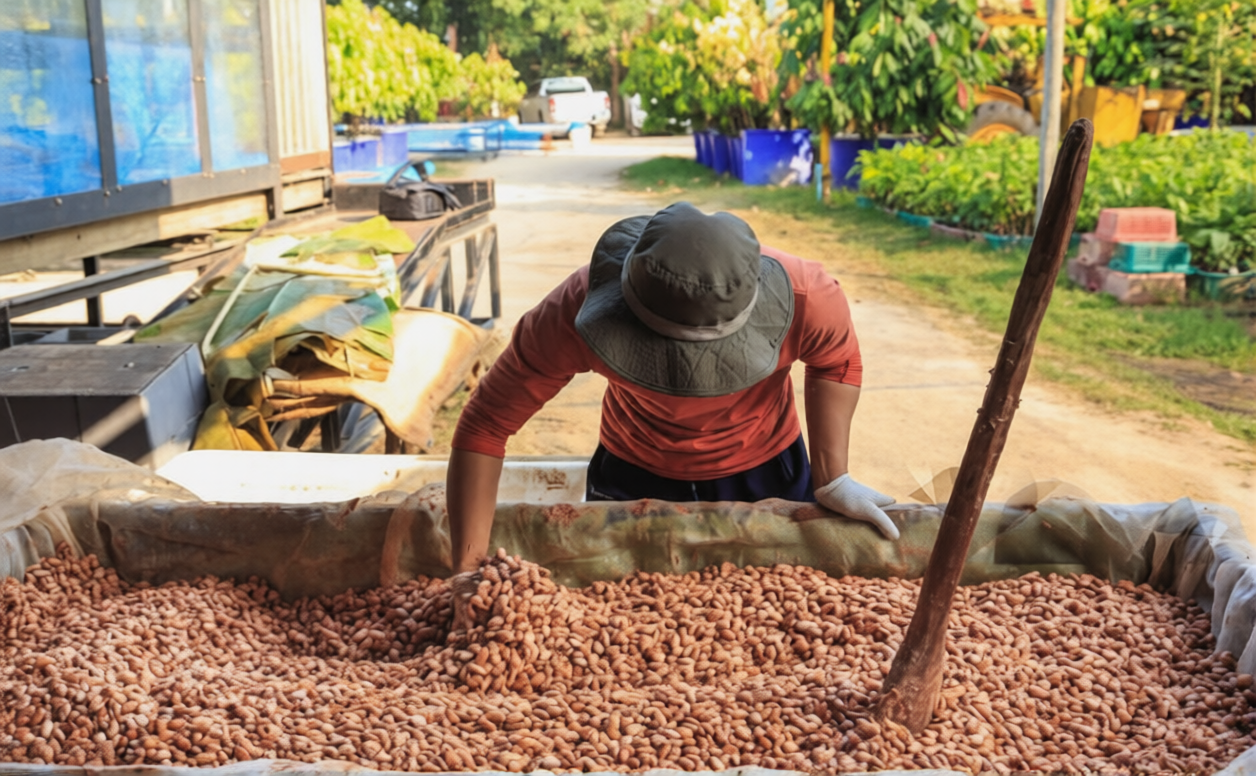
A polished sample is useful, but it does not prove that the full container will match. Top-performing exporters use repeatable quality systems: incoming lot review, moisture control, cut tests, sorting, bag integrity checks, and pre-shipment confirmation. Those controls are visible in process, not only in sales language. Buyers should ask how non-conforming lots are identified, segregated, and corrected before they become a shipment problem.
An exporter that cannot describe its inspection workflow is asking the buyer to trust luck. By contrast, exporters with a structured quality approach can usually provide sample records, warehouse photos, lot summaries, and a practical explanation of how they maintain shipment consistency. That is a stronger signal than any claim of being number one in the market.
3. Documentation capability is a competitive advantage
Many buying teams underestimate how much value a documentation-strong exporter creates. Delays, banking friction, and customs problems often begin with simple mismatches between contract terms and shipping documents. An exporter that understands commercial invoices, packing lists, quality paperwork, and destination-aligned shipment files reduces transactional risk for the buyer and accelerates post-loading execution.
This is especially important for buyers importing into markets with tighter due-diligence expectations. Exporters should be able to explain what documents they provide by default and which buyer-specific documents they can prepare on request. Reviewing this process on the services page or through a direct inquiry on the contact page is a better test than relying on generic online rankings.
4. Traceability and communication separate real partners from opportunistic sellers
A capable exporter does more than move cocoa. It gives the buyer confidence in origin, lot handling, and shipment status. Traceability is therefore not just a compliance feature; it is a communication tool that shows whether the exporter actually controls the chain. Buyers should ask how lots are identified, what records are kept, and how the exporter explains the movement from sourcing area to warehouse to container.
Communication quality is equally revealing. Top exporters communicate clearly before and after shipment, not only when requesting payment. They update buyers on lot readiness, document status, and carrier schedule changes. This level of follow-through becomes especially important when containers face timing pressure or when the destination market requires quick document corrections.
5. Use a structured exporter shortlist process
Rather than asking who the top exporters are in the abstract, build a shortlist using objective criteria. Score each supplier on sourcing control, quality procedure, traceability maturity, documentation accuracy, logistics responsiveness, and commercial transparency. That method is more useful than searching for rankings that rarely explain their methodology or stay current over time.
A buyer that uses a structured shortlist will usually make fewer mistakes, even if the initial quoted price is not the lowest. Cameroon offers serious cocoa export opportunities, but the right supplier is the one that can execute your specification repeatedly. If you want to test that fit with a defined shipment requirement, start by requesting a tailored offer and capability overview through COCOABRIDGE's buyer contact channel.
Need help comparing Cameroon cocoa exporters against your buying criteria?
Share your target volume, quality profile, and destination market, and COCOABRIDGE can outline a buyer-ready export program built around those requirements.
Frequently Asked Questions
Why is it hard to create a reliable ranking of cocoa exporters in Cameroon?
Exporter performance depends on the buyer's needs, market timing, and the supplier's ability to execute specific quality and compliance requirements. A universal ranking often ignores those variables.
What is the most important factor when comparing exporters?
For many buyers, sourcing control and quality-system discipline are the strongest indicators because they shape consistency, traceability, and shipment reliability.
Should buyers visit the warehouse before placing a large order?
If possible, yes. A warehouse review helps confirm whether the exporter actually handles product preparation in a disciplined and transparent way.