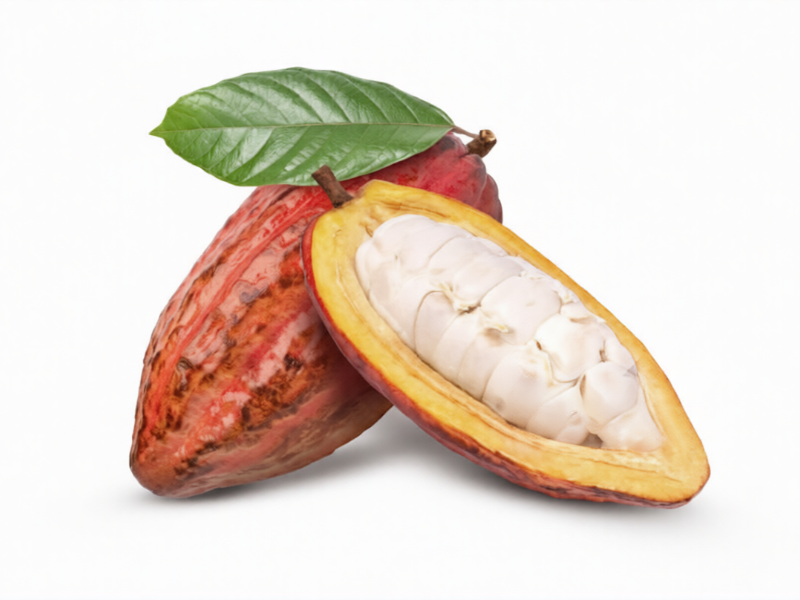
A complete buyer guide to how cocoa is exported from Cameroon, covering sourcing, quality control, documentation, logistics, and shipment readiness. International buyers evaluating Cameroon origin need more than general background. They need a practical understanding of how sourcing, quality control, documentation, packaging, payment, and logistics connect in a real export workflow.
This guide is written for procurement teams, roasters, chocolate makers, processors, importers, and trade partners comparing suppliers across Africa. It explains the buyer-side decisions that shape successful transactions and shows where COCOABRIDGE can support commercial sourcing from Cameroon.
Key Buyer Takeaways
- Define the specification before negotiating price.
- Confirm quality checks, packaging, documentation, and logistics early.
- Use samples and written records to reduce first-order risk.
- Choose an origin partner that can connect sourcing with export execution.
1. Start with a clear buyer specification
Successful cocoa trade begins before the first price is quoted. Buyers should define origin preference, bean grade, target moisture, fermentation expectations, allowable defects, packaging format, shipment size, Incoterm, document requirements, and destination port. A clear specification protects both sides because it converts a broad commodity request into a verifiable commercial instruction. Without this clarity, a sample may look acceptable while the bulk lot later fails buyer expectations.
For international B2B buyers, this point should be reviewed in writing because small assumptions can become expensive during customs clearance, payment release, or destination receiving. A buyer that documents requirements early gives the exporter a better chance to prepare the right lot, the right document file, and the right shipment plan.
Buyer recommendation
Ask for evidence that matches your purchasing risk: sample details, lot notes, packaging plan, expected documents, shipment timeline, and the person responsible for communication. These records do not eliminate every risk, but they make the trade more transparent and easier to manage.
2. Confirm sourcing and lot identity
Cocoa is often aggregated from multiple farms and buying points, so lot identity must be managed carefully. A credible supplier should explain where the beans are sourced, how lots are separated, how warehouse movements are recorded, and how buyer-approved samples connect to the final shipment. Traceability does not need to be complicated to be useful, but it must be consistent enough for buyers to understand origin and handling history.
For international B2B buyers, this point should be reviewed in writing because small assumptions can become expensive during customs clearance, payment release, or destination receiving. A buyer that documents requirements early gives the exporter a better chance to prepare the right lot, the right document file, and the right shipment plan.
Buyer recommendation
Ask for evidence that matches your purchasing risk: sample details, lot notes, packaging plan, expected documents, shipment timeline, and the person responsible for communication. These records do not eliminate every risk, but they make the trade more transparent and easier to manage.
3. Review moisture, fermentation, and defects
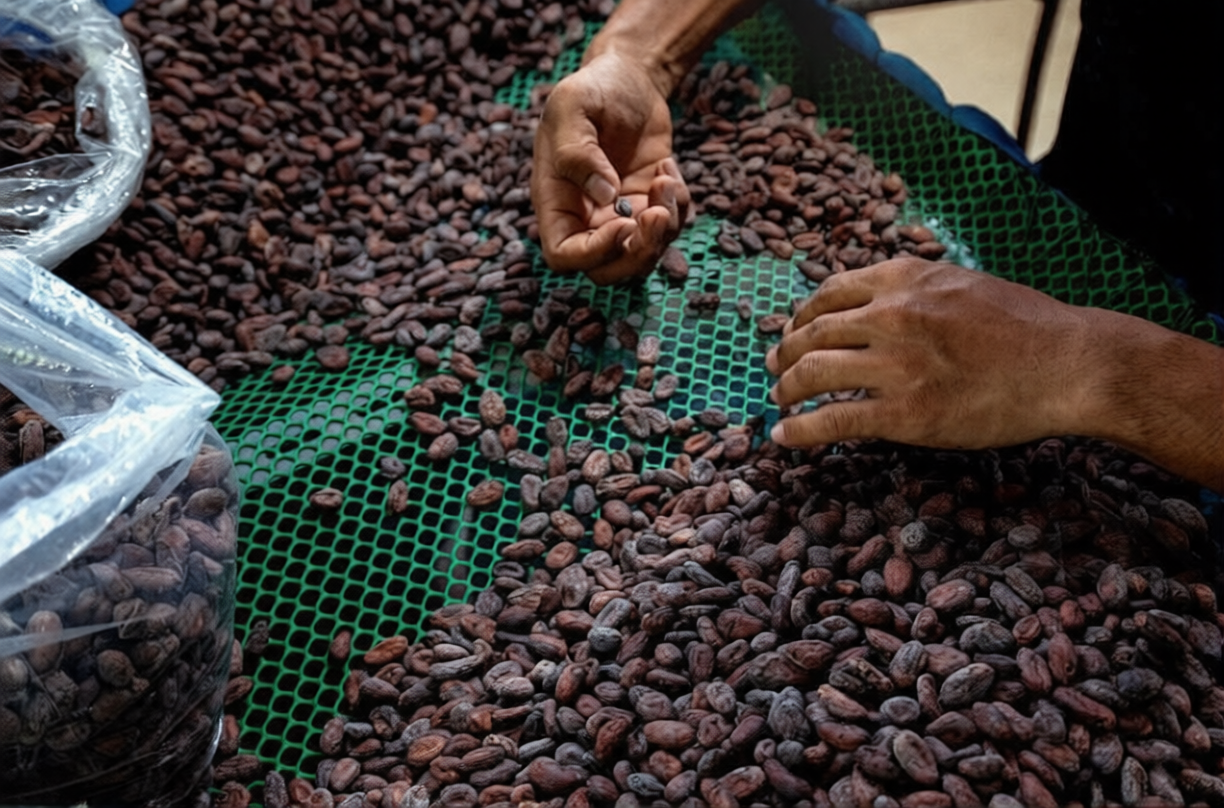
Moisture control is one of the most important cocoa quality safeguards because excessive moisture increases the risk of mold and transit damage. Fermentation affects flavor development, color, and processing behavior. Defect screening helps remove slaty, moldy, insect-damaged, smoky, germinated, or foreign-matter contaminated beans. International buyers should ask how these checks are performed before export.
For international B2B buyers, this point should be reviewed in writing because small assumptions can become expensive during customs clearance, payment release, or destination receiving. A buyer that documents requirements early gives the exporter a better chance to prepare the right lot, the right document file, and the right shipment plan.
Buyer recommendation
Ask for evidence that matches your purchasing risk: sample details, lot notes, packaging plan, expected documents, shipment timeline, and the person responsible for communication. These records do not eliminate every risk, but they make the trade more transparent and easier to manage.
4. Align packaging and warehouse handling
Packaging protects product quality and supports inventory control. Bulk cocoa is commonly packed in export-grade bags with marks, lot references, and weight details that match the packing list. Warehouse handling should avoid contamination, moisture reabsorption, and mixing of approved and non-approved lots. Good packaging is not cosmetic; it is part of quality assurance.
For international B2B buyers, this point should be reviewed in writing because small assumptions can become expensive during customs clearance, payment release, or destination receiving. A buyer that documents requirements early gives the exporter a better chance to prepare the right lot, the right document file, and the right shipment plan.
Buyer recommendation
Ask for evidence that matches your purchasing risk: sample details, lot notes, packaging plan, expected documents, shipment timeline, and the person responsible for communication. These records do not eliminate every risk, but they make the trade more transparent and easier to manage.
5. Prepare documentation before shipment pressure begins
Export documentation should be prepared early, not after the cargo is already waiting at port. The commercial invoice, packing list, origin certificate, phytosanitary document, inspection record, and shipping instructions must use consistent names, weights, marks, and commodity descriptions. Document mismatches can delay customs clearance, payment, and cargo release.
For international B2B buyers, this point should be reviewed in writing because small assumptions can become expensive during customs clearance, payment release, or destination receiving. A buyer that documents requirements early gives the exporter a better chance to prepare the right lot, the right document file, and the right shipment plan.
Buyer recommendation
Ask for evidence that matches your purchasing risk: sample details, lot notes, packaging plan, expected documents, shipment timeline, and the person responsible for communication. These records do not eliminate every risk, but they make the trade more transparent and easier to manage.
6. Coordinate logistics around quality protection
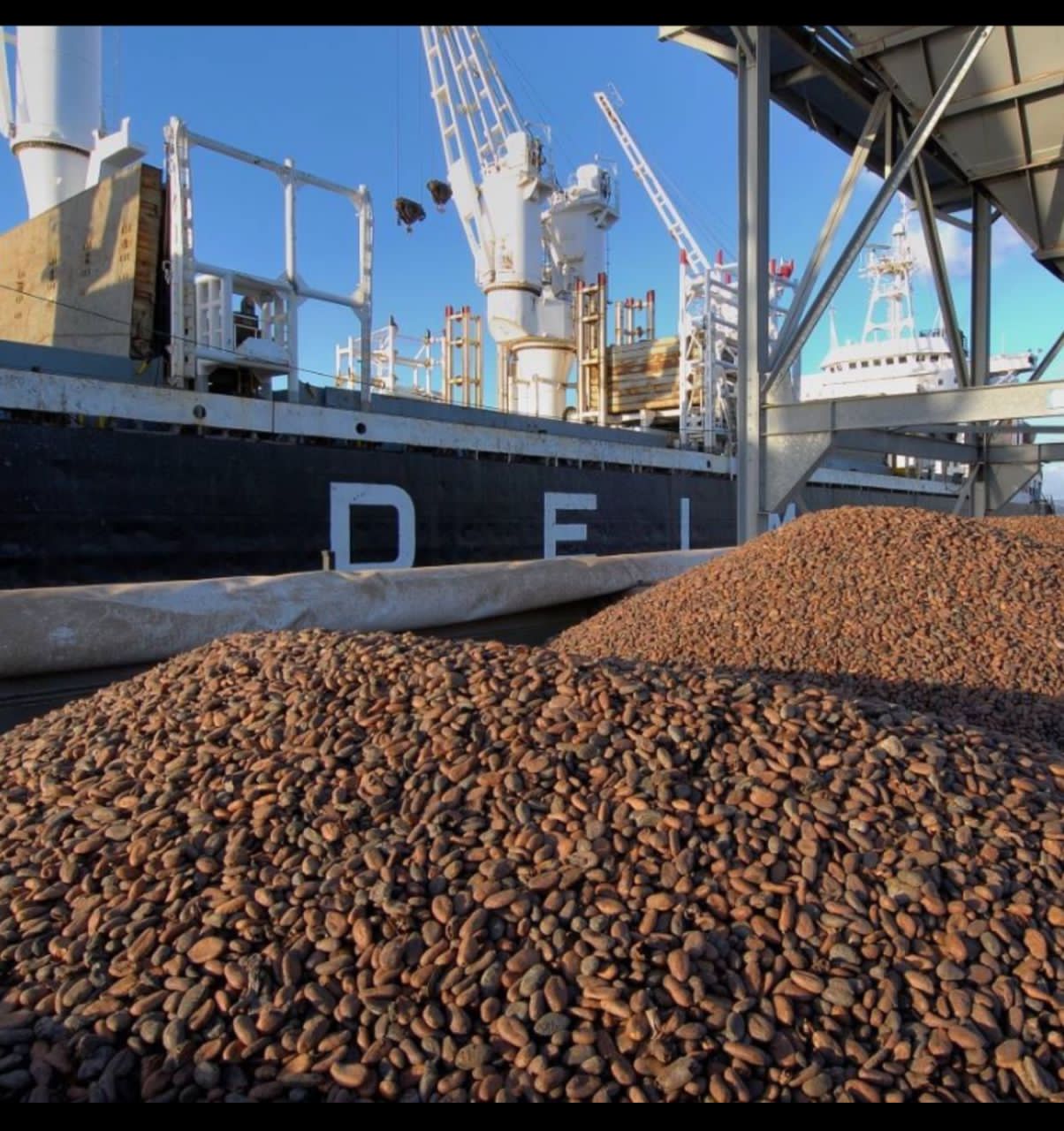
Cocoa logistics includes inland transport, container availability, stuffing, sealing, customs clearance, port delivery, vessel booking, and document release. Buyers should request updates at each milestone because timing changes can affect financing and destination planning. Quality protection continues through loading, especially where humidity, dwell time, or poor container condition can create risk.
For international B2B buyers, this point should be reviewed in writing because small assumptions can become expensive during customs clearance, payment release, or destination receiving. A buyer that documents requirements early gives the exporter a better chance to prepare the right lot, the right document file, and the right shipment plan.
Buyer recommendation
Ask for evidence that matches your purchasing risk: sample details, lot notes, packaging plan, expected documents, shipment timeline, and the person responsible for communication. These records do not eliminate every risk, but they make the trade more transparent and easier to manage.
7. Use internal links and supplier evidence
Procurement teams should review the supplier’s product pages, export service scope, traceability approach, and contact process before issuing a purchase order. On COCOABRIDGE, buyers can review the premium cocoa and coffee product range, explore agricultural export services, and contact the export desk with their target specification. This gives the inquiry commercial structure from the beginning.
For international B2B buyers, this point should be reviewed in writing because small assumptions can become expensive during customs clearance, payment release, or destination receiving. A buyer that documents requirements early gives the exporter a better chance to prepare the right lot, the right document file, and the right shipment plan.
Buyer recommendation
Ask for evidence that matches your purchasing risk: sample details, lot notes, packaging plan, expected documents, shipment timeline, and the person responsible for communication. These records do not eliminate every risk, but they make the trade more transparent and easier to manage.
How COCOABRIDGE supports buyers
COCOABRIDGE connects origin sourcing with export execution for international buyers seeking cocoa, Arabica coffee, Robusta coffee, and agricultural commodity services from Cameroon. Buyers can review our premium cocoa and coffee products, compare our agricultural export services, learn about the company on the about page, or contact the export desk through the contact page.
For commercial inquiries, include the commodity, grade, target quantity, destination port, Incoterm, packaging needs, sample expectations, and preferred payment structure. Buyers seeking premium cocoa beans can also visit the Cameroon cocoa exporter page for dedicated sourcing information.
Need a Cameroon export partner for your next order?
Send your specification and destination requirements to COCOABRIDGE. Our export desk will review availability, quality expectations, documentation needs, and the next commercial step.
Frequently Asked Questions
Why does how cocoa is exported from cameroon matter to buyers?
It helps buyers reduce quality, documentation, logistics, and supplier-selection risk before committing to international agricultural commodity purchases.
What should buyers ask COCOABRIDGE before ordering?
Buyers should share target commodity, grade, volume, destination port, Incoterm, packaging preference, sample requirements, and expected shipment timing.
Can COCOABRIDGE support export documentation?
Yes. COCOABRIDGE supports commercial, origin, phytosanitary, packing, quality, and shipment documentation according to the agreed export structure.
Are samples available before bulk purchases?
Qualified buyers can request samples when availability, courier arrangements, destination requirements, and commercial intent have been confirmed.